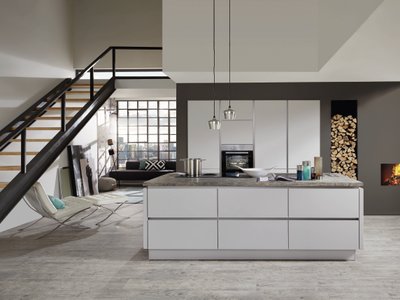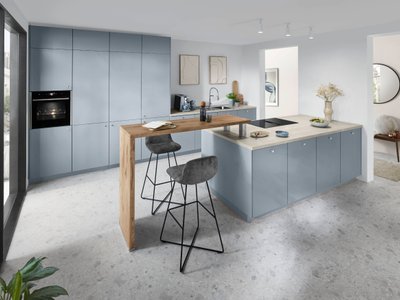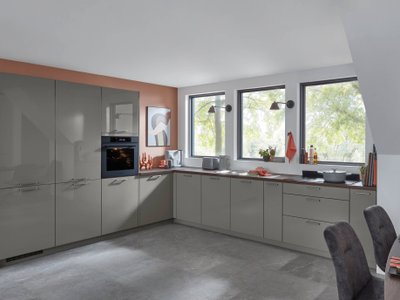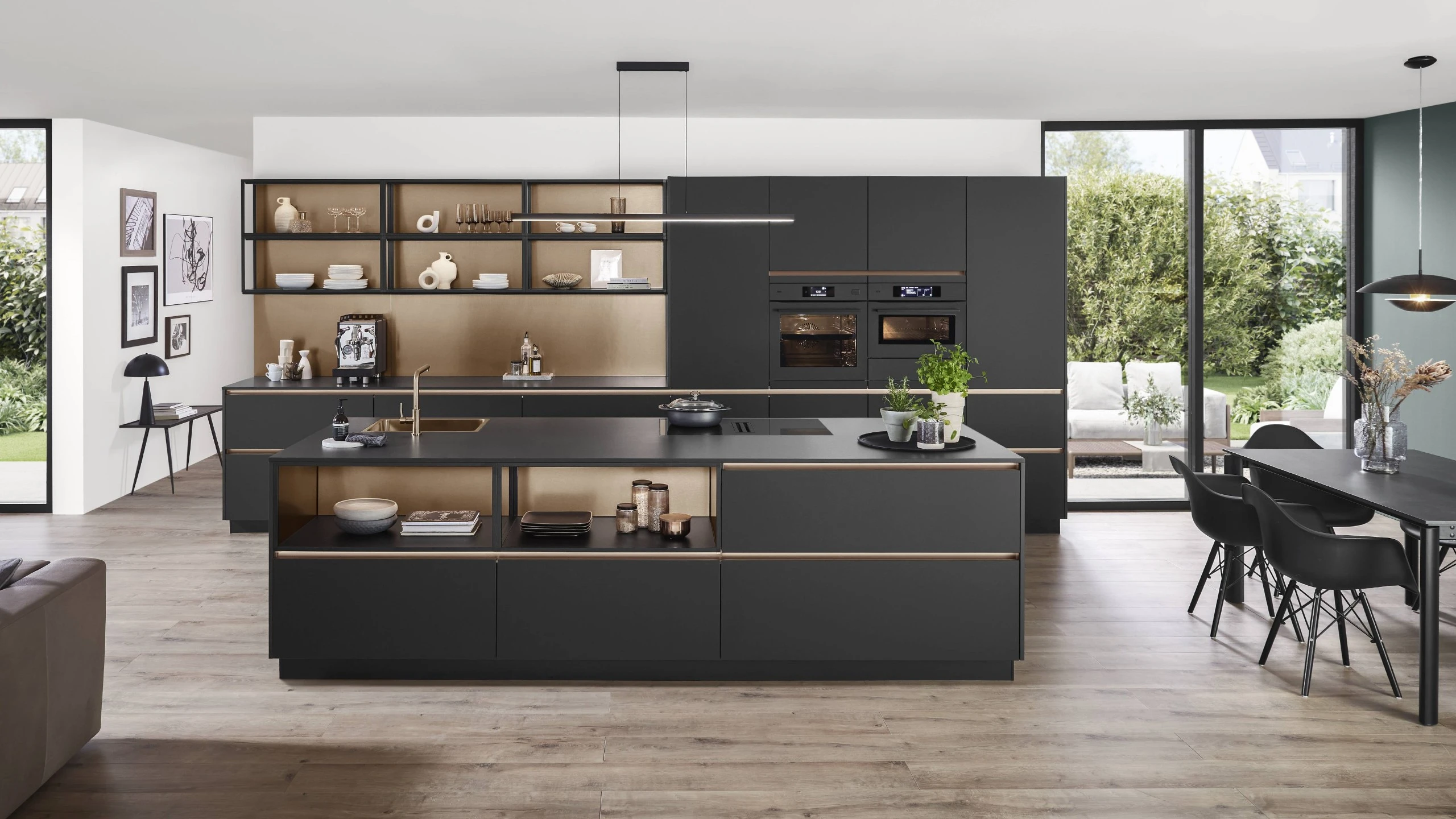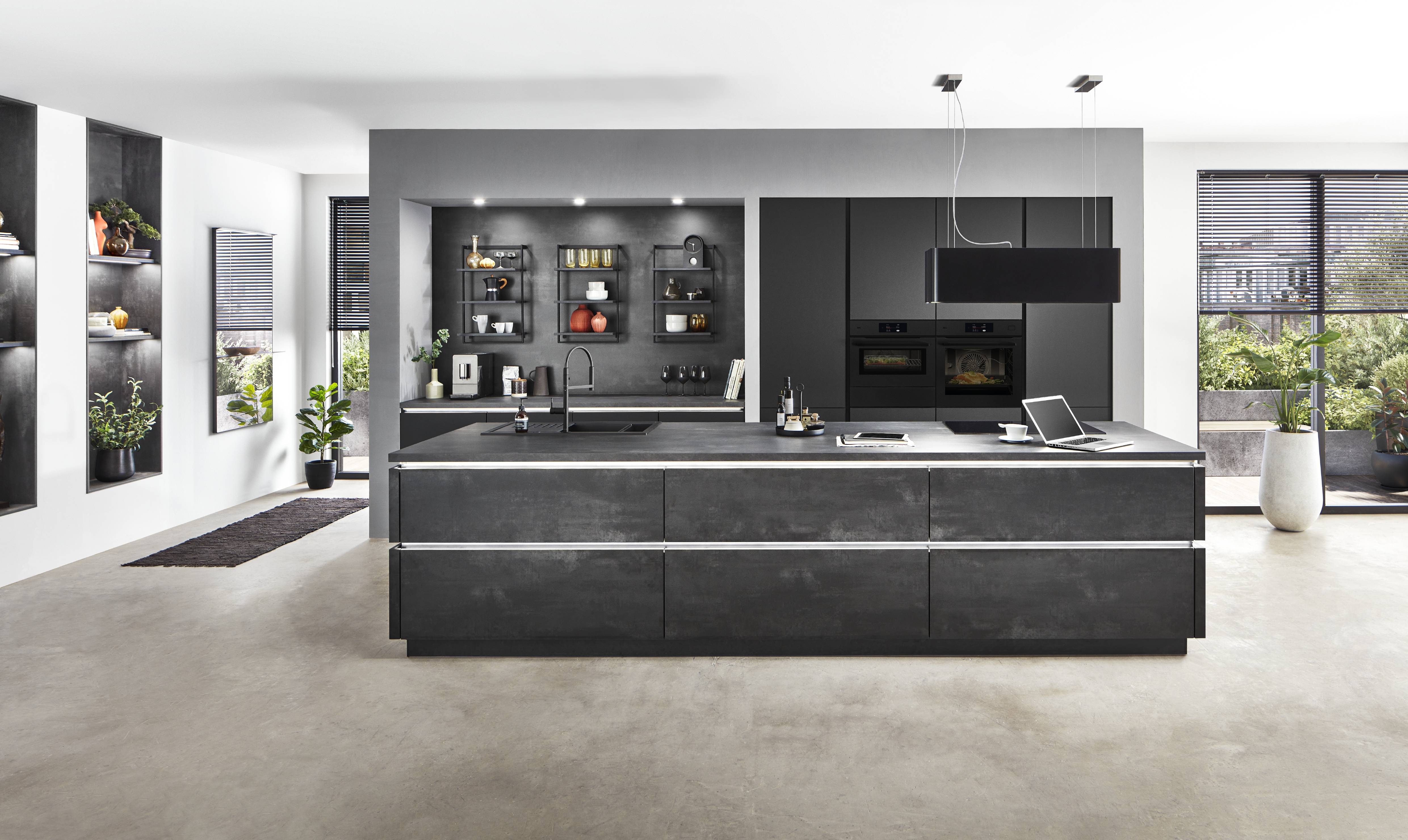
Lighting is one of the most important elements of a well-designed kitchen, yet it is often considered only after the cabinetry and finishes have been selected.
The right lighting can do much more than brighten a room. It can improve visibility while cooking, highlight architectural details, create a welcoming atmosphere, and enhance the materials and finishes throughout the kitchen.
In German kitchen design, lighting is considered as part of the overall space. At noblessa USA, thoughtful planning helps ensure that lighting works alongside cabinetry, countertops, appliances, and the surrounding architecture.
Start With Natural Light
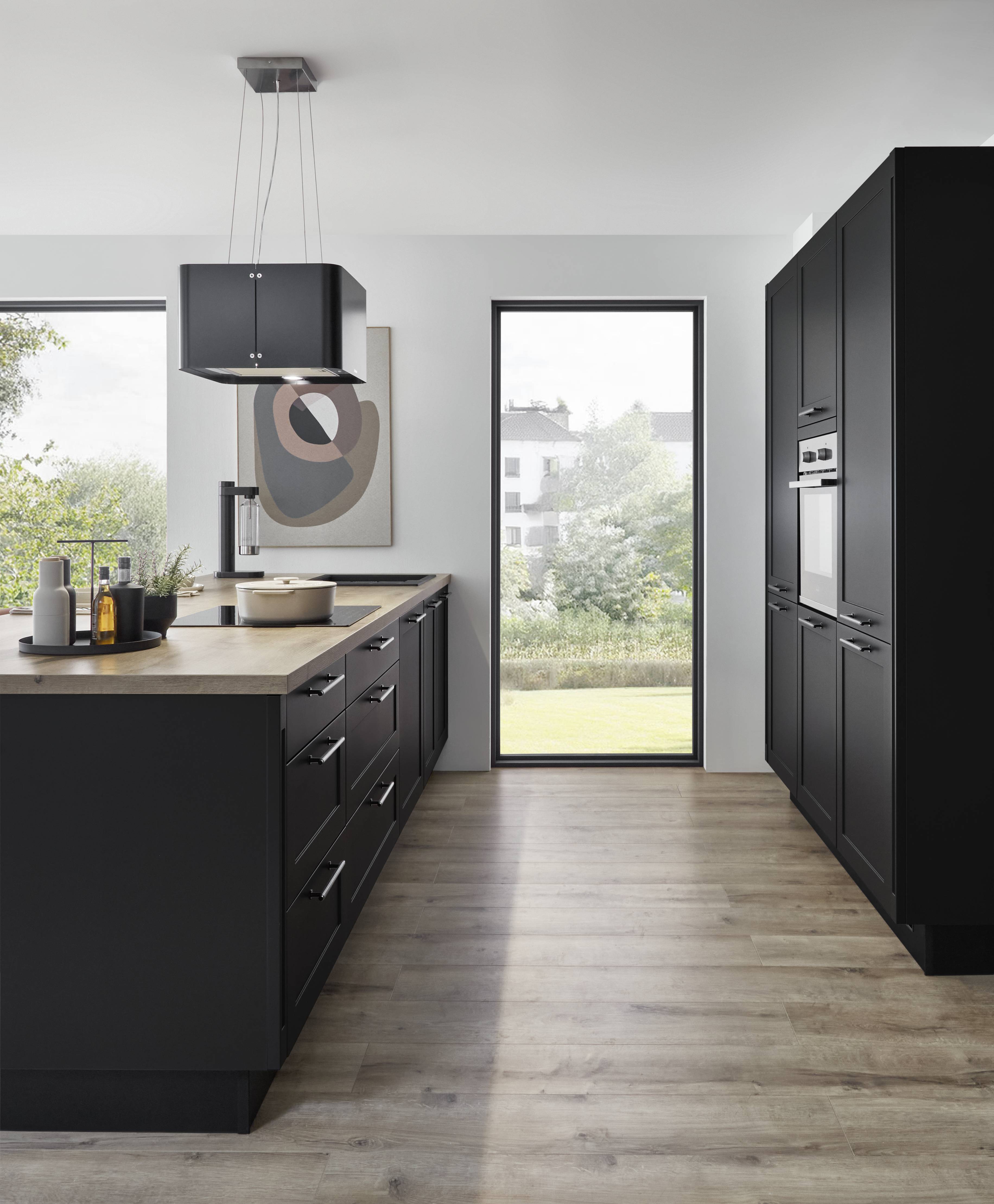
Natural light can have a significant influence on how a kitchen looks and feels.
Large windows, glass doors, and open layouts can bring daylight deep into the kitchen, highlighting cabinetry finishes and creating a connection with the outdoors.
Natural light also changes throughout the day, allowing materials and colors to appear differently from morning to evening.
When planning a kitchen, considering the direction and amount of natural light can help determine where work areas, seating, and other important features should be positioned.
Layer Different Types of Lighting
A successful kitchen lighting plan rarely relies on a single light source.
Instead, different types of lighting can work together to serve different purposes.
Ambient Lighting
Ambient lighting provides general illumination throughout the kitchen. It helps create a comfortable level of brightness and makes it easier to move through the space.
Recessed fixtures, ceiling lights, and other architectural lighting can provide this foundational layer.
Task Lighting
Task lighting focuses on areas where specific activities take place.
Countertops, sinks, cooktops, and kitchen islands can all benefit from additional illumination. Proper task lighting makes food preparation and cooking easier while reducing shadows on work surfaces.
Accent Lighting
Accent lighting can be used to highlight specific design elements.
Glass-front cabinets, open shelving, artwork, architectural features, or decorative objects can become subtle focal points when illuminated appropriately.
Together, these layers create a kitchen that is functional during the day and inviting in the evening.
Make the Kitchen Island a Focal Point
The kitchen island is often one of the most prominent features in a modern kitchen.
Lighting can help emphasize its role as both a workspace and a gathering area. Depending on the design, pendant fixtures, recessed lighting, or integrated solutions can provide illumination while reinforcing the visual character of the island.
The goal is to provide enough light for everyday activities without making the island feel visually heavy.
Highlight Beautiful Materials
Premium materials can look very different depending on how they are illuminated.
Lighting can emphasize the texture of wood cabinetry, the subtle variation of stone surfaces, or the clean lines of contemporary finishes.
Soft, strategically positioned lighting can add depth to cabinetry and make the kitchen feel more dimensional.
This is particularly effective in minimalist kitchens, where small changes in light and shadow can become an important part of the overall aesthetic.
Illuminate Storage Where It Matters
Good lighting can also make kitchen storage easier to use.
Interior cabinet lighting, under-cabinet lighting, and illumination around open shelving can make it easier to locate everyday items while adding a subtle layer of visual interest.
For homeowners who want to maintain clean, uncluttered countertops, well-lit storage can encourage everyday items to remain organized and accessible.
Think About the Kitchen at Night
A kitchen should work just as well in the evening as it does during the day.
A bright kitchen may be ideal for cooking and cleaning, but softer lighting can create a more relaxed atmosphere when the kitchen becomes part of an evening gathering.
Dimmable fixtures and multiple lighting zones can provide greater flexibility, allowing homeowners to adjust the atmosphere depending on the occasion.
The same kitchen can feel bright and energetic during meal preparation and warm and inviting when entertaining guests.
Coordinate Lighting With the Overall Design
Lighting should complement the cabinetry rather than compete with it.
The size, placement, and style of fixtures should work with the proportions of the kitchen. In a minimalist German kitchen, understated lighting can reinforce the clean architectural character of the space.
In other designs, carefully selected fixtures can introduce a decorative element while maintaining the overall balance of the room.
Thoughtful coordination ensures that every element feels like part of the same design.
Design for Both Beauty and Function
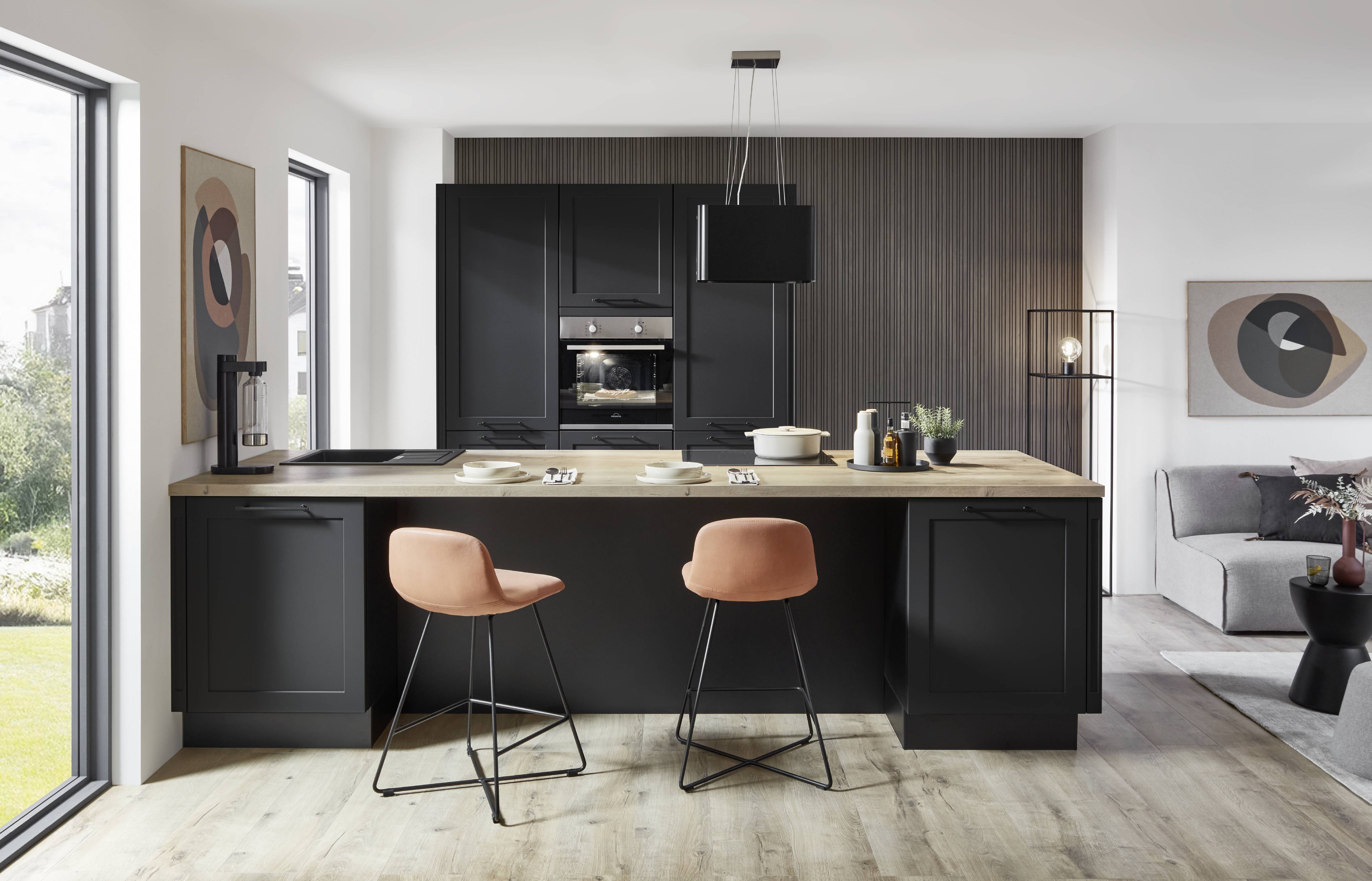
The most successful kitchen lighting plans combine aesthetics with practicality.
Light should be positioned where it is needed while also contributing to the atmosphere of the room. This requires considering the kitchen as a complete environment rather than treating each light fixture as an individual feature.
At noblessa USA, the relationship between cabinetry, layout, materials, and lighting can be considered together to create a kitchen that feels cohesive from every angle.
See German Kitchens in Person
Experience the craftsmanship, materials, and design possibilities of German kitchens at a noblessa USA showroom:
Get a Free Consultation
Ready to create a kitchen where every detail works together? A free consultation with noblessa USA can help you explore cabinetry, layouts, materials, lighting, and personalized design solutions for your home.