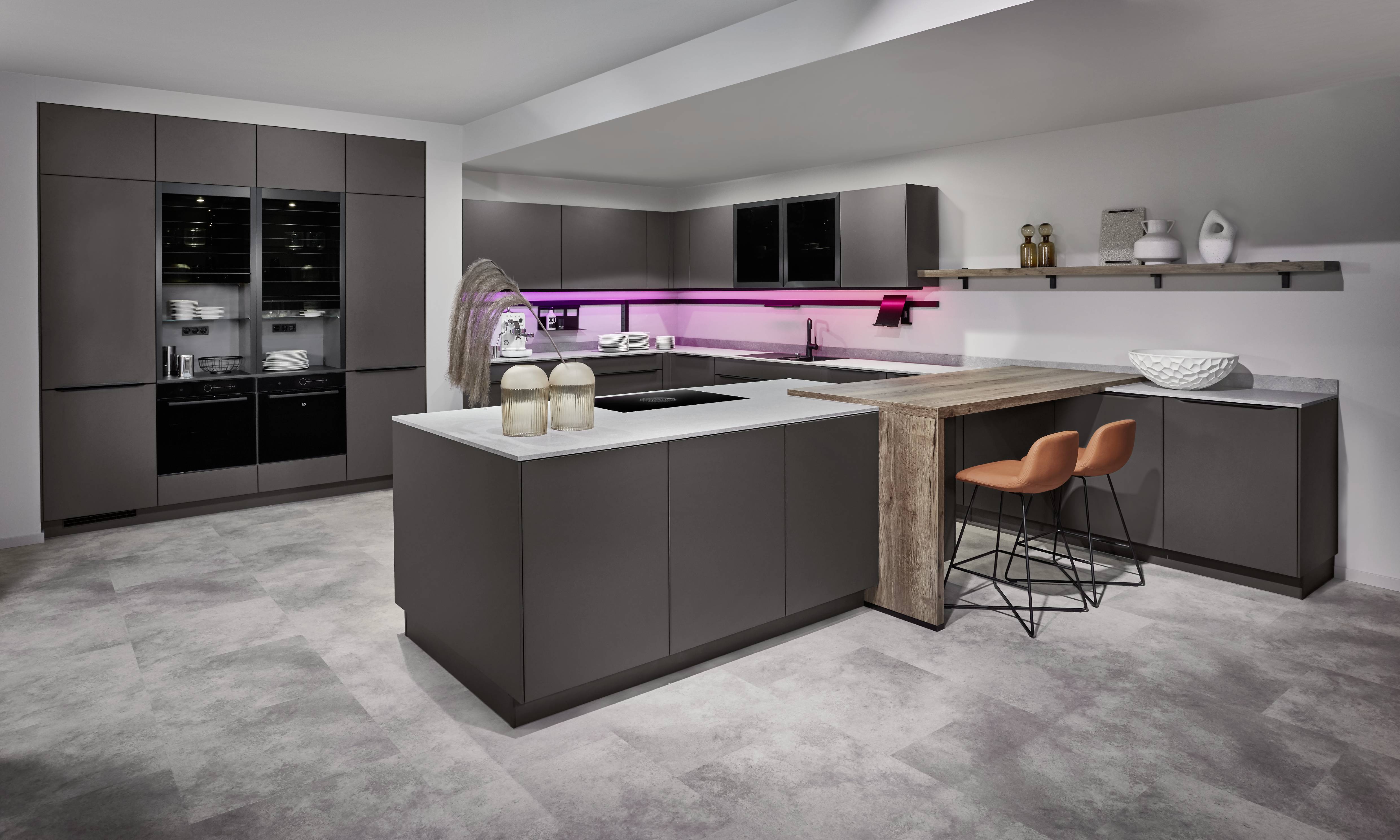
A beautiful kitchen should do more than look impressive. It should also feel comfortable to use.
From reaching for everyday ingredients to preparing meals and cleaning up afterward, the kitchen involves countless small movements. When cabinets, appliances, and work surfaces are positioned thoughtfully, these everyday activities can become more convenient and comfortable.
This is where ergonomic kitchen design makes a difference.
German kitchen design combines precision planning with practical functionality to create spaces that support the way people move and work. At Noblessa USA, thoughtful kitchen planning helps bring comfort, efficiency, and sophisticated design together.
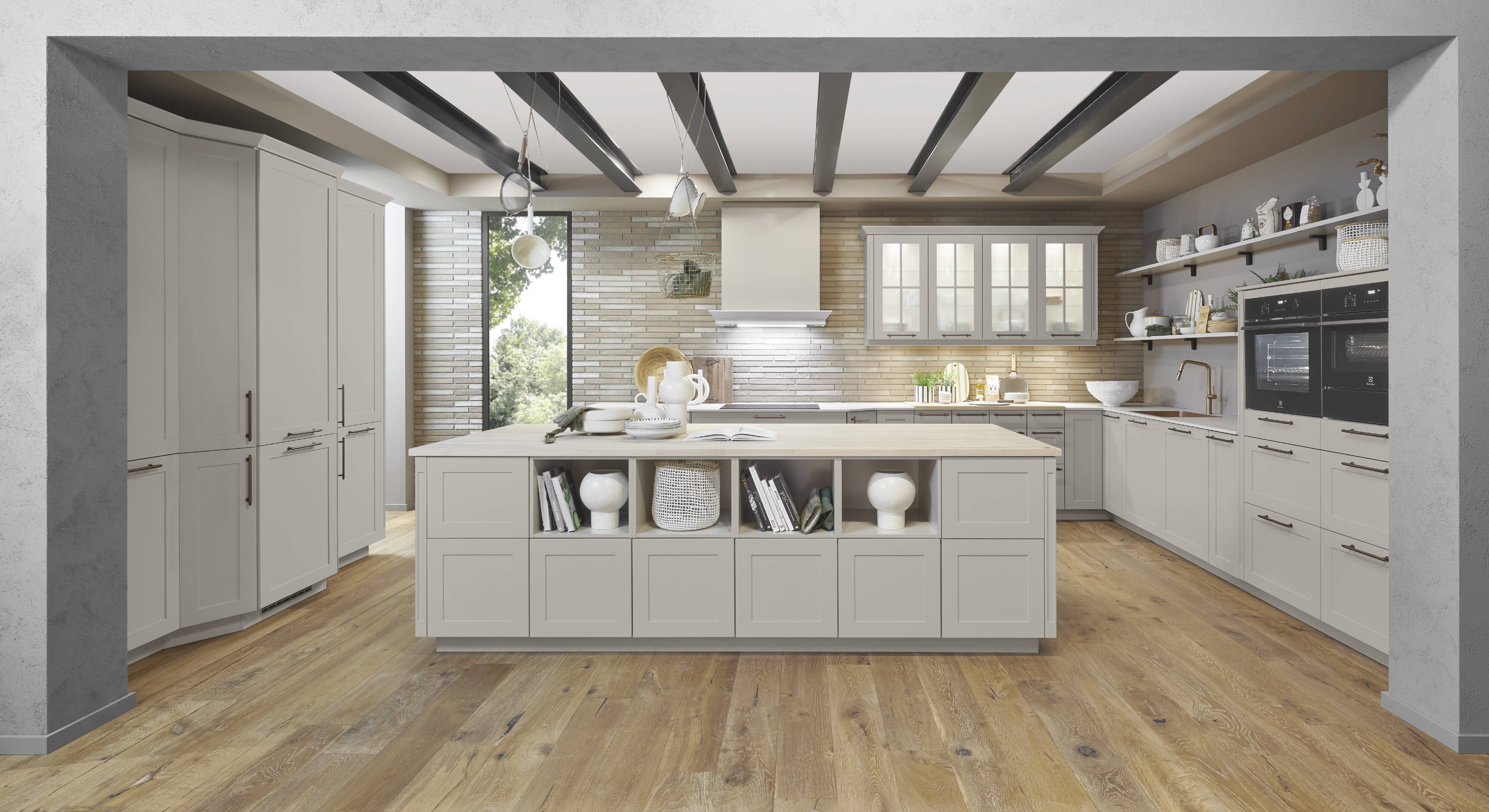
What Is Ergonomic Kitchen Design?
Ergonomics is the practice of designing spaces and products around the people who use them.
In a kitchen, this means considering how easily you can reach storage, move between work areas, use appliances, and complete everyday tasks.
A well-planned kitchen takes into account the homeowner's height, cooking habits, mobility, and preferred working style.
Rather than expecting people to adapt to the kitchen, ergonomic design aims to make the kitchen work for them.
Choose Work Surfaces That Feel Comfortable
Countertop height can influence how comfortable food preparation feels.
A surface that is too high or too low may encourage awkward posture during tasks such as chopping vegetables, mixing ingredients, or preparing meals.
The ideal height depends on the individual, the task, and the kitchen's overall design. Considering these factors during the planning stage can help create a more comfortable working environment.
Thoughtful planning can also account for different activities, such as food preparation, baking, and casual dining.
Keep Everyday Essentials Within Reach
The location of kitchen storage can affect how easily you complete everyday tasks.
Frequently used plates, utensils, cookware, and ingredients should be stored where they are convenient to access. Items used less often can be placed in higher or less accessible storage areas.
Deep drawers, pull-out organizers, and well-planned pantry systems can make it easier to locate and retrieve items without unnecessary bending or reaching.
These solutions also help keep the kitchen organized while making better use of available space.
Position Appliances With Purpose
Appliance placement is another important part of ergonomic kitchen design.
The refrigerator, oven, cooktop, sink, and dishwasher should be arranged to support a natural workflow. Their placement should also account for door openings, nearby work surfaces, and clear walking paths.
For example, having convenient counter space near the oven can provide a practical place to set down hot cookware. Placing frequently used ingredients near preparation areas can also reduce unnecessary movement.
The goal is to make everyday tasks feel more intuitive.
Create Clear Paths Between Work Areas
A functional kitchen should allow people to move comfortably between different areas.
The relationship between the sink, cooktop, refrigerator, and preparation surfaces can influence how efficiently the kitchen operates.
Adequate clearance around islands, cabinets, and appliances is particularly important in shared kitchens, where more than one person may be cooking at the same time.
A carefully planned layout helps reduce congestion and makes the kitchen more comfortable to use.
Design Storage Around Your Routine
Every household has different storage needs.
Someone who enjoys baking may need accessible space for mixing bowls, baking trays, and ingredients. A frequent entertainer may prioritize serving dishes, glassware, and additional preparation space.
Organizing storage around these habits helps keep essential items close to where they are used.
At Noblessa USA, thoughtful cabinetry planning can help homeowners explore storage configurations that support their individual routines while maintaining a clean, cohesive appearance.
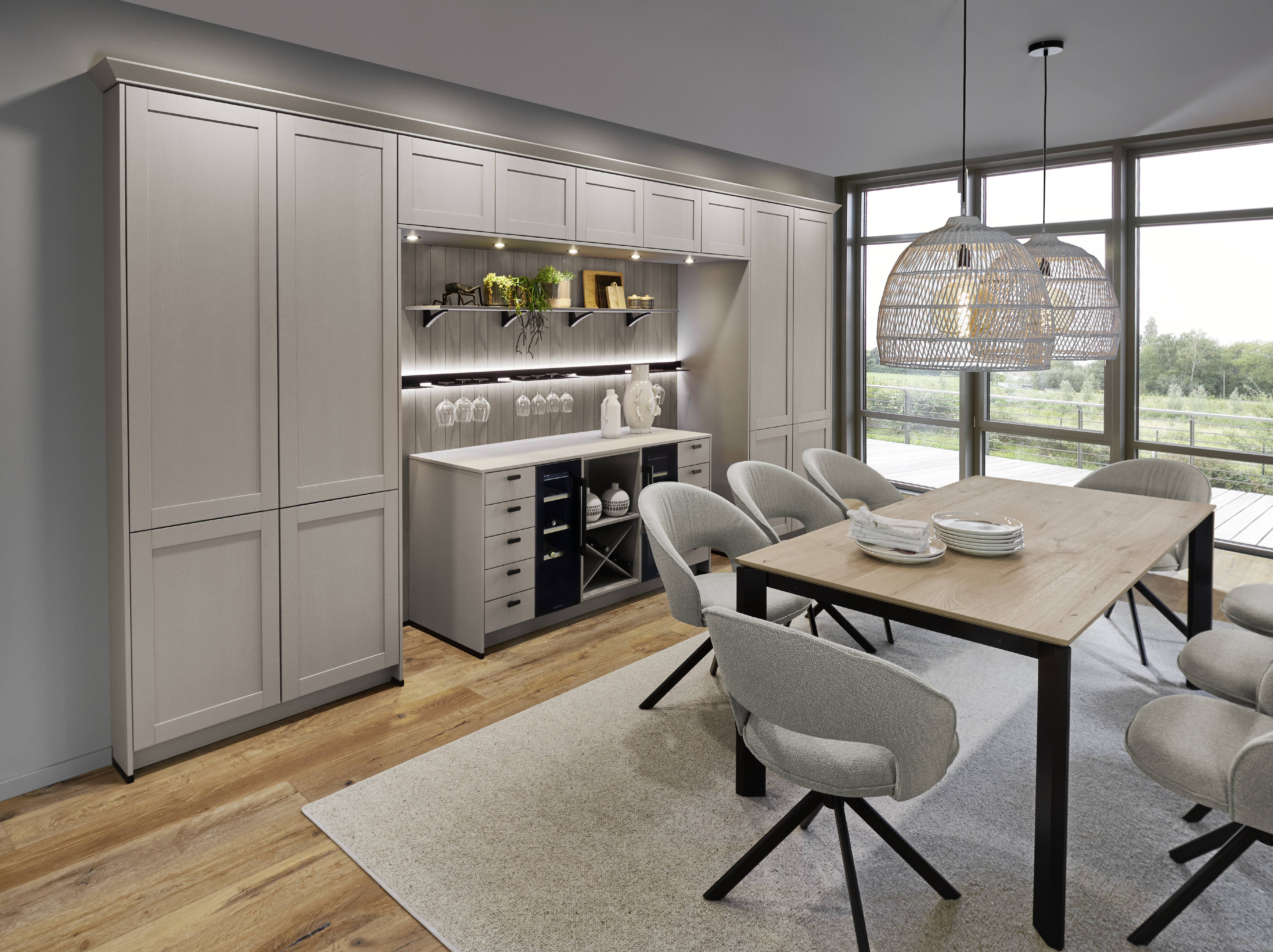
Make the Kitchen Comfortable for Everyone
A kitchen often serves people with different heights, abilities, and preferences.
Design considerations such as accessible drawers, suitable work surfaces, clear pathways, and conveniently positioned appliances can help make the space easier to navigate.
For homeowners planning to remain in their homes for many years, it can also be useful to consider how their needs might change over time.
A kitchen designed with flexibility in mind can better accommodate different stages of life.
Combine Comfort With Sophisticated Design
Ergonomic design does not mean compromising on appearance.
Modern cabinetry, integrated appliances, refined finishes, and streamlined layouts can all support a comfortable kitchen without sacrificing visual appeal.
German kitchen design demonstrates how practical details can be incorporated into a sophisticated overall aesthetic.
When comfort and appearance are considered together, the result is a kitchen that looks refined while supporting everyday living.
Plan for the Way You Actually Cook
The most effective kitchen design begins with understanding how the space will be used.
Consider the tasks you perform most often, the appliances you rely on, the items you need within easy reach, and the number of people who regularly use the kitchen.
These details can guide decisions about cabinet configurations, work surfaces, appliance placement, and circulation space.
By planning around real habits rather than assumptions, homeowners can create a kitchen that feels more natural and comfortable from day one.
See German Kitchens in Person
Experience the craftsmanship, cabinetry, and design possibilities of German kitchens at a Noblessa USA showroom:
Get a Free Consultation
Ready to design a kitchen that works better for your everyday routine? A free consultation with Noblessa USA can help you explore layouts, cabinetry, storage, and personalized design solutions tailored to your home.