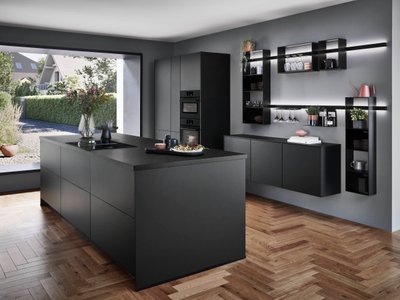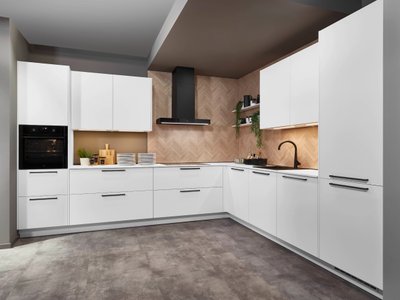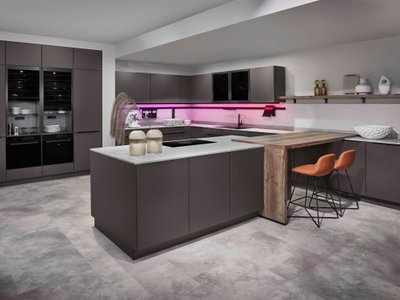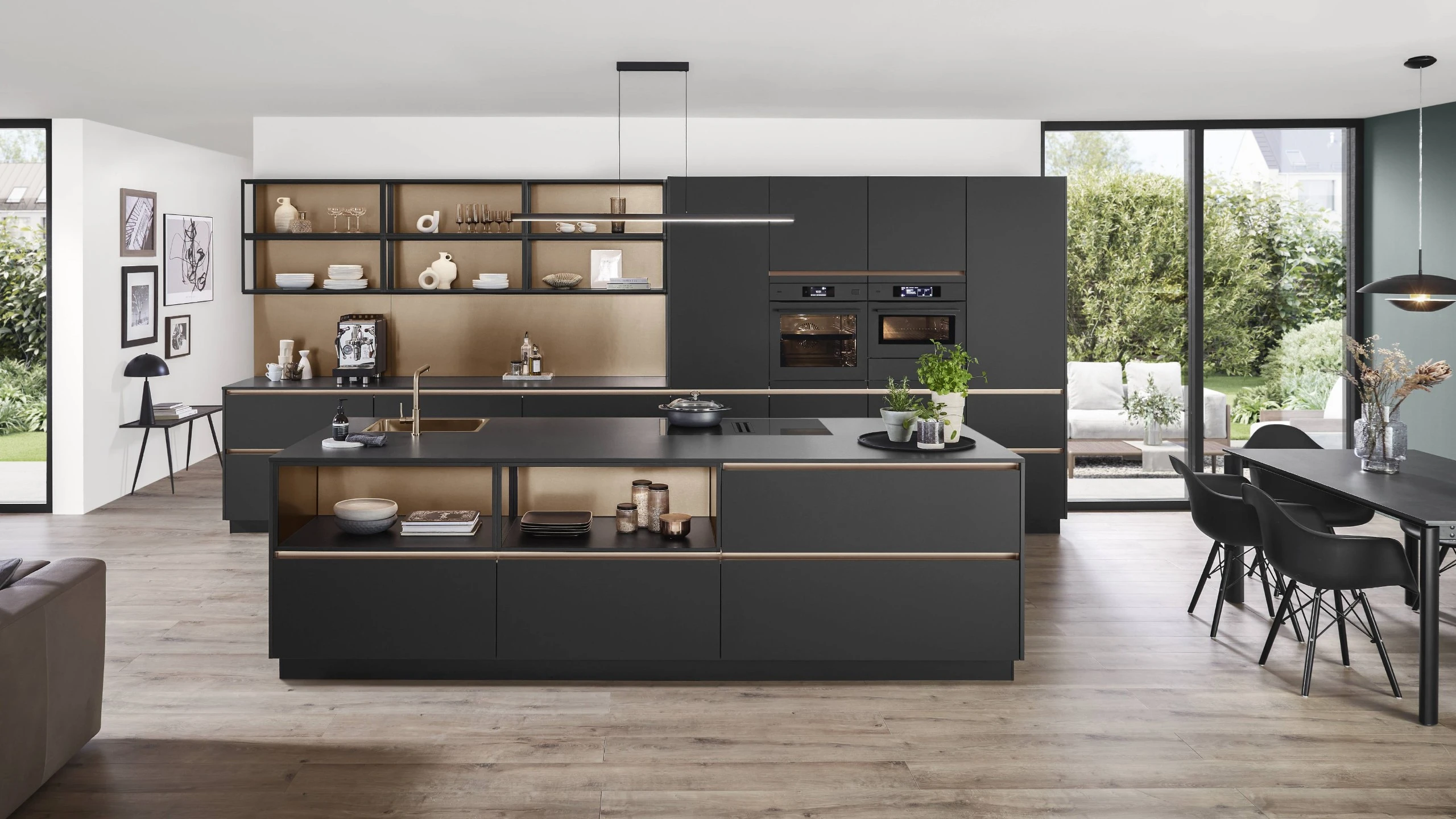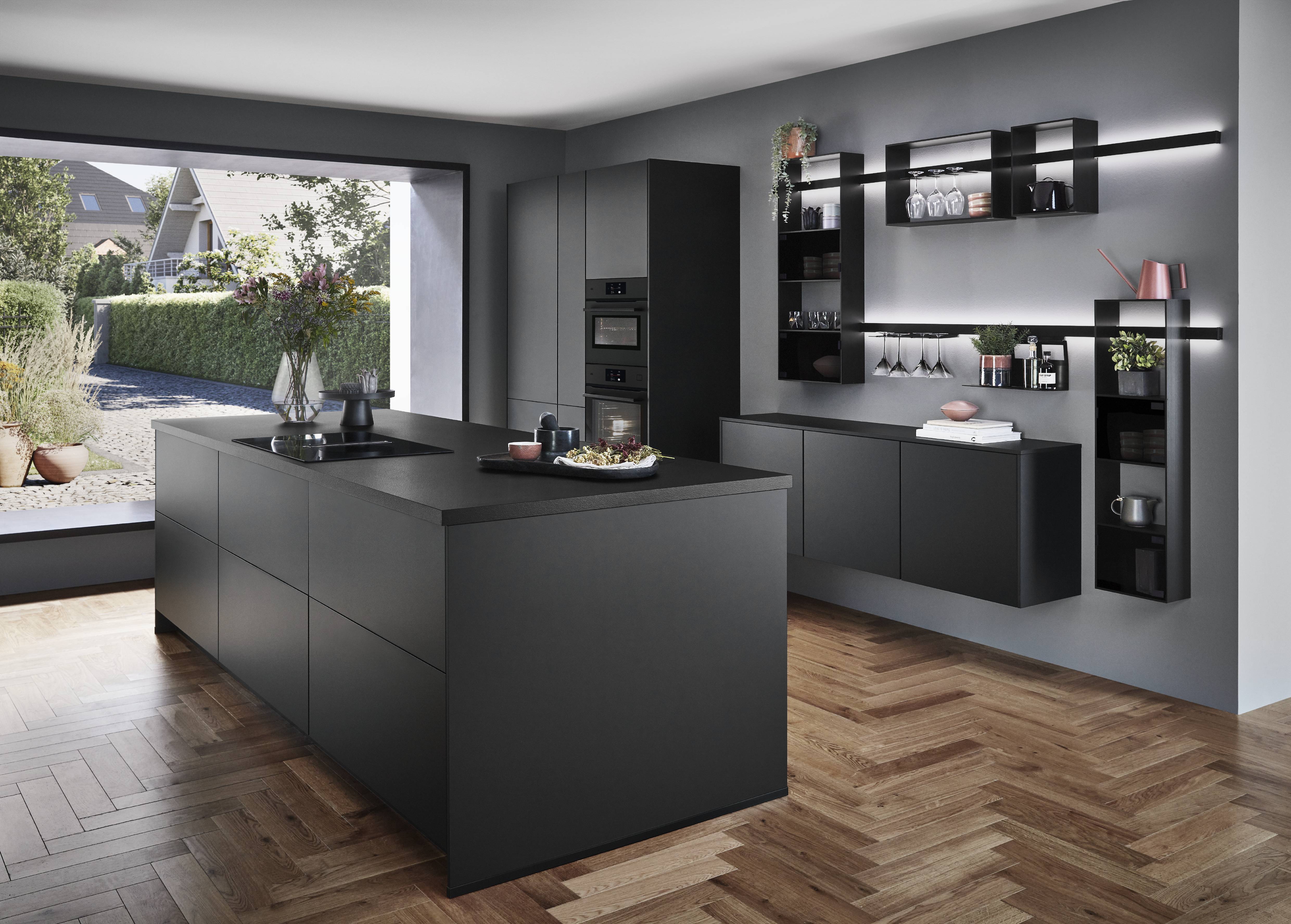
A beautifully designed kitchen is rarely defined by a single material. Instead, it is the combination of finishes, textures, and subtle contrasts that gives a space its character.
The warmth of natural wood, the smoothness of refined cabinetry, the texture of stone, and the reflective quality of glass can work together to create a kitchen that feels balanced and distinctive.
In modern German kitchen design, material selection is an important part of creating a cohesive space. At Noblessa USA, thoughtful combinations of finishes and textures help homeowners bring their personal style to life while maintaining the clean lines and precision associated with German craftsmanship.
Start With a Balanced Color Palette
Before choosing individual materials, consider the overall color palette.
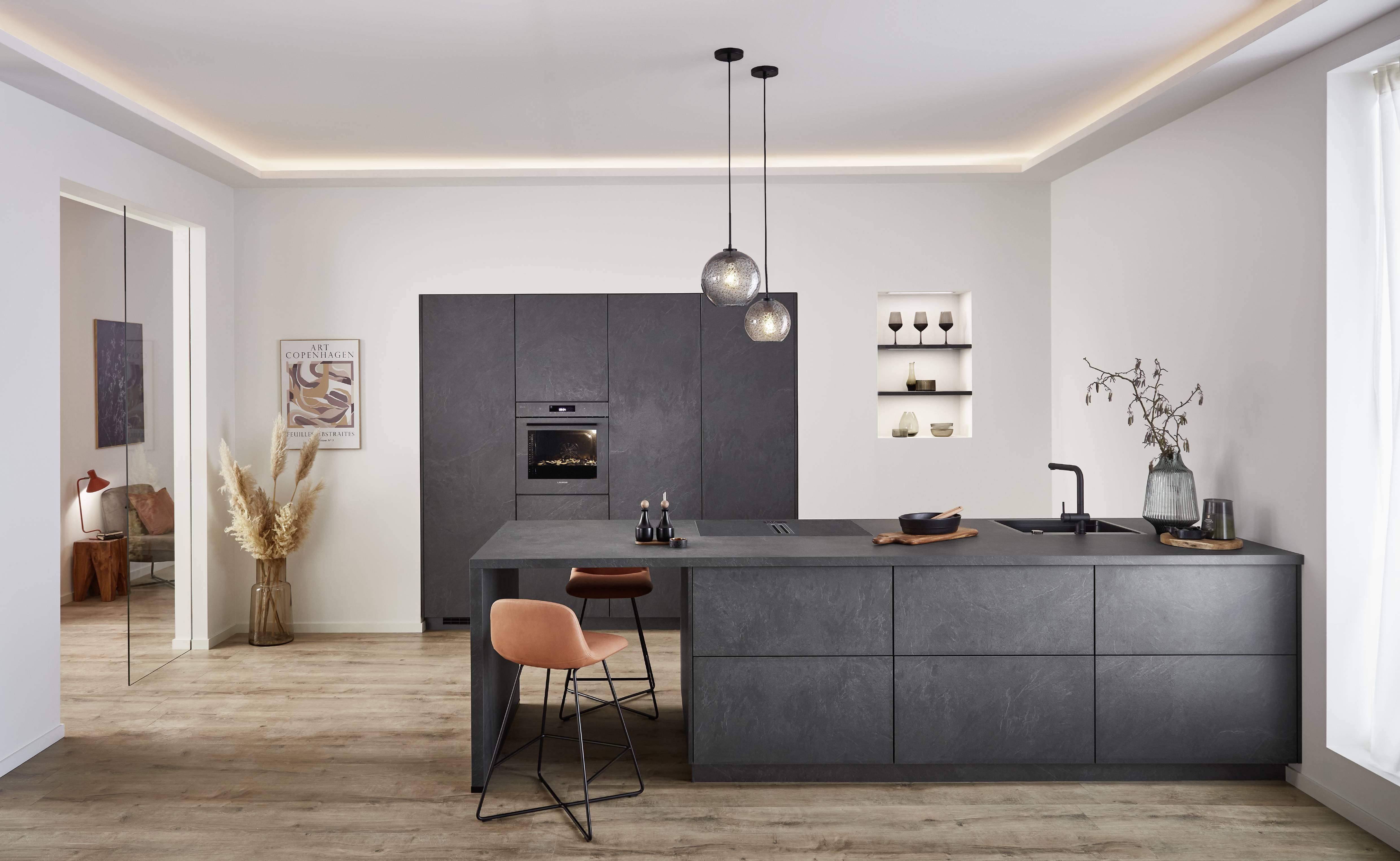
A cohesive palette helps different finishes work together without making the kitchen feel visually busy. Neutral colors such as white, beige, gray, and taupe provide a versatile foundation for a variety of design styles.
From there, introduce contrast through wood accents, darker cabinetry, or textured surfaces.
For example, soft gray cabinets paired with warm oak can create a welcoming atmosphere, while white cabinetry with dark stone surfaces offers a more dramatic, contemporary look.
The goal is to create visual interest while allowing each material to complement the others.
Bring Warmth Into the Kitchen With Wood
Wood is a versatile material that can soften the appearance of modern cabinetry.
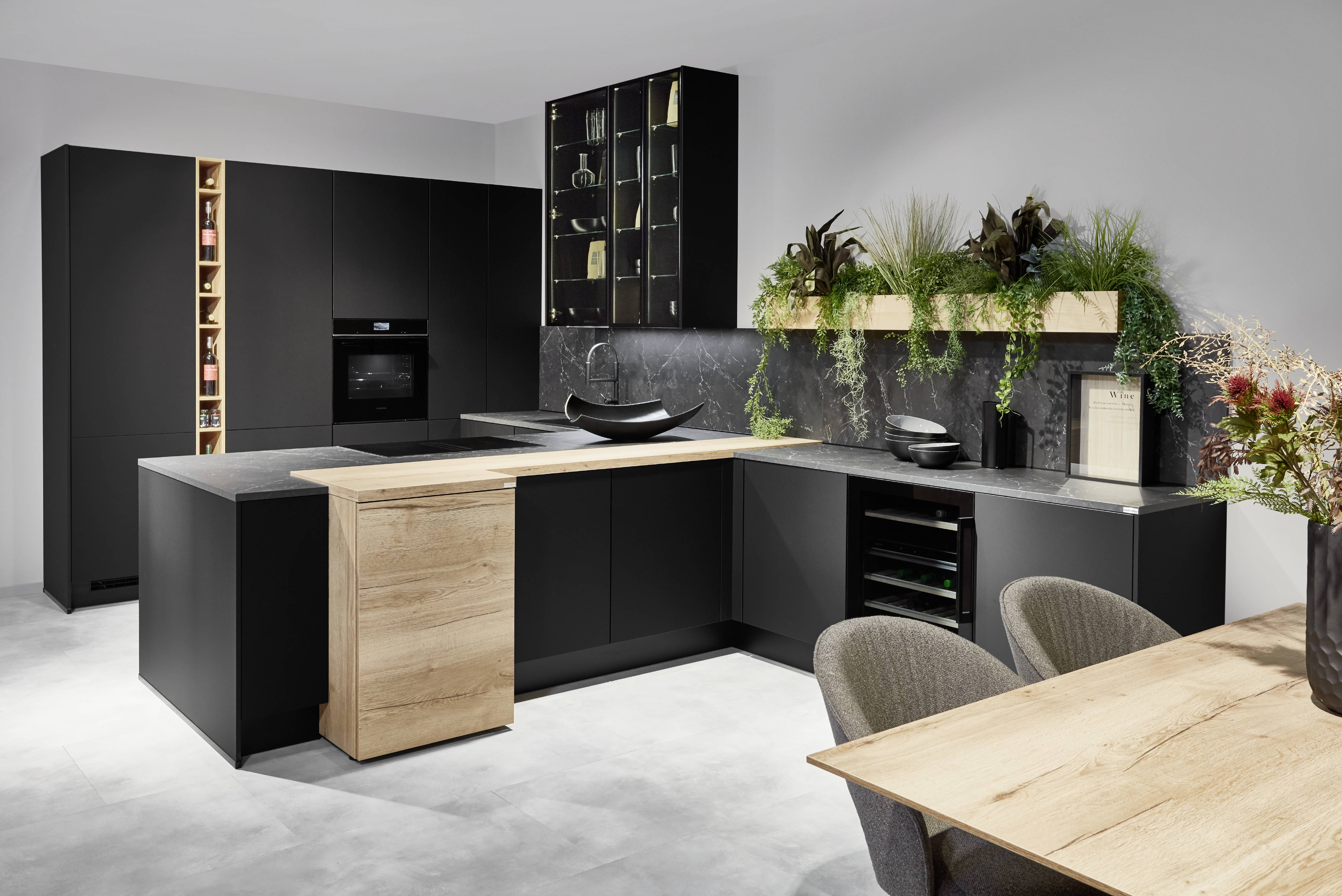
Its natural grain and warm tones introduce texture into spaces with clean lines and smooth surfaces. Depending on the design, wood can be used for countertops, shelving, breakfast bars, decorative panels, or selected cabinet fronts.
A wood accent can also help connect the kitchen to adjoining dining and living areas, particularly in open-concept homes.
For a balanced result, consider using wood in a few intentional places rather than introducing it everywhere. This allows its natural character to stand out without overwhelming the overall design.
Use Stone to Add Texture and Contrast
Stone and stone-look surfaces can introduce visual depth while complementing streamlined cabinetry.
A light countertop can brighten a kitchen with darker cabinets, while a deeper, more dramatic surface can create contrast against lighter finishes.
Beyond color, consider the pattern and texture of the material. Subtle veining can add interest without dominating the room, while a more pronounced pattern can become a focal point.
When selecting countertops and backsplashes, consider how their tones and patterns interact with the cabinetry, flooring, and surrounding finishes.
Combine Matte and Glossy Finishes
Different surface finishes can create contrast even when they share a similar color.
Matte cabinetry offers a soft, understated appearance, while glossy surfaces can reflect light and add a more polished effect.
Combining the two can help introduce depth without relying on bold colors or elaborate decoration.
For example, matte gray cabinets can be paired with reflective glass elements or a smooth, polished countertop. The contrast between the finishes creates interest while preserving a clean aesthetic.
Consistency is important, however. Choosing a few complementary finishes usually creates a more cohesive result than mixing too many competing surfaces.
Use Glass to Create Visual Lightness
Glass can add a sense of openness to kitchen cabinetry.
Glass-front cabinets provide an opportunity to display selected dishware, glassware, or decorative pieces while breaking up a continuous run of solid cabinet fronts.
Glass can also introduce a subtle reflective quality that helps balance heavier materials such as wood, stone, or darker cabinetry.
For a refined look, keep displayed items organized and choose pieces that complement the kitchen's overall palette.
Coordinate the Backsplash With the Cabinetry
The backsplash is an opportunity to connect the kitchen's materials.
A backsplash that complements the countertop and cabinet finish can create a seamless appearance. Alternatively, a contrasting texture or color can introduce a distinctive design feature.
Wood-look surfaces, stone patterns, ceramic tile, and other finishes each create a different effect.
When making your selection, consider how the backsplash will look alongside the cabinetry under both natural and artificial lighting. The relationship between these surfaces can influence the overall atmosphere of the room.
Don't Overlook Hardware and Fixtures
Small details can have a meaningful impact on the final design.
Cabinet handles, faucets, sinks, and lighting fixtures introduce additional finishes that can reinforce the kitchen's style.
Matte black hardware can create definition against light cabinetry, while brushed metal finishes can offer a softer, understated contrast. Coordinated fixtures can also help connect different parts of the kitchen visually.
These elements do not need to match exactly. Instead, aim for a deliberate combination that feels consistent with the rest of the space.
Consider Lighting When Selecting Materials
Lighting changes how materials appear.
Natural daylight can reveal the grain of wood and the subtle variation in stone, while warm artificial lighting can make neutral finishes feel softer and more inviting.
Under-cabinet lighting can highlight a backsplash, while pendant lights can draw attention to an island or breakfast bar.
When planning your kitchen, consider the appearance of your chosen finishes at different times of day. Reviewing material samples together under different lighting conditions can help you make more confident decisions.
Create Contrast Without Losing Cohesion
The most successful material combinations often include a clear sense of balance.
If your cabinetry features a strong texture or prominent grain, consider pairing it with simpler surfaces. If your kitchen uses mostly smooth, understated finishes, a textured backsplash or warm wood accent can add character.
Repeating a material or color in more than one area can also help the design feel connected.
For example, a wood breakfast bar might complement nearby open shelving, while a dark faucet can echo the finish of cabinet hardware or lighting fixtures.
These relationships create a sense of intention throughout the space.
Design for Your Lifestyle, Not Just Appearance
While visual appeal matters, materials should also suit the way you use your kitchen.
Consider how frequently you cook, how much maintenance you prefer, and which surfaces will experience the most daily activity. Cleaning requirements, durability, and care instructions can vary by material and finish.
A well-planned kitchen balances appearance with practical needs, helping you choose combinations that work for your household over time.
At Noblessa USA, the design process brings these considerations together to help create a kitchen that reflects your preferences while supporting everyday living.
See German Kitchens in Person
Explore the materials, finishes, and craftsmanship of German kitchen design at a Noblessa USA showroom:
Get a Free Consultation
Ready to explore materials for your new kitchen? A free consultation with Noblessa USA can help you compare cabinetry finishes, countertop options, textures, and complementary details to develop a design tailored to your home.