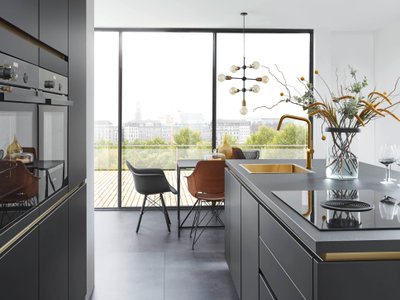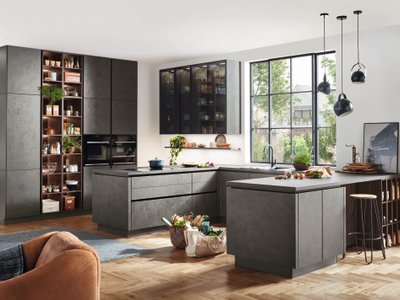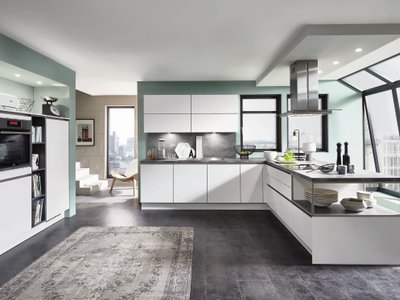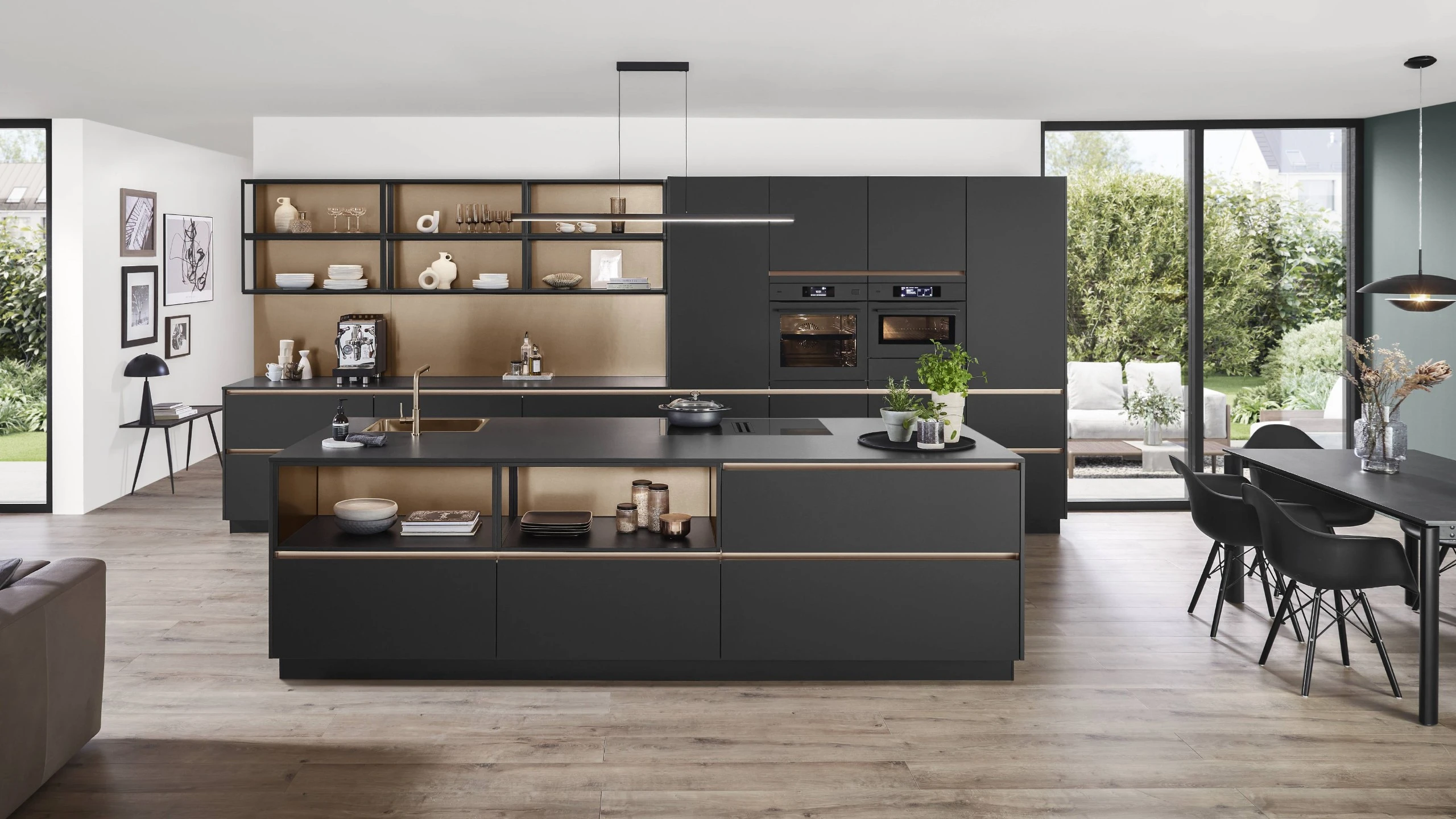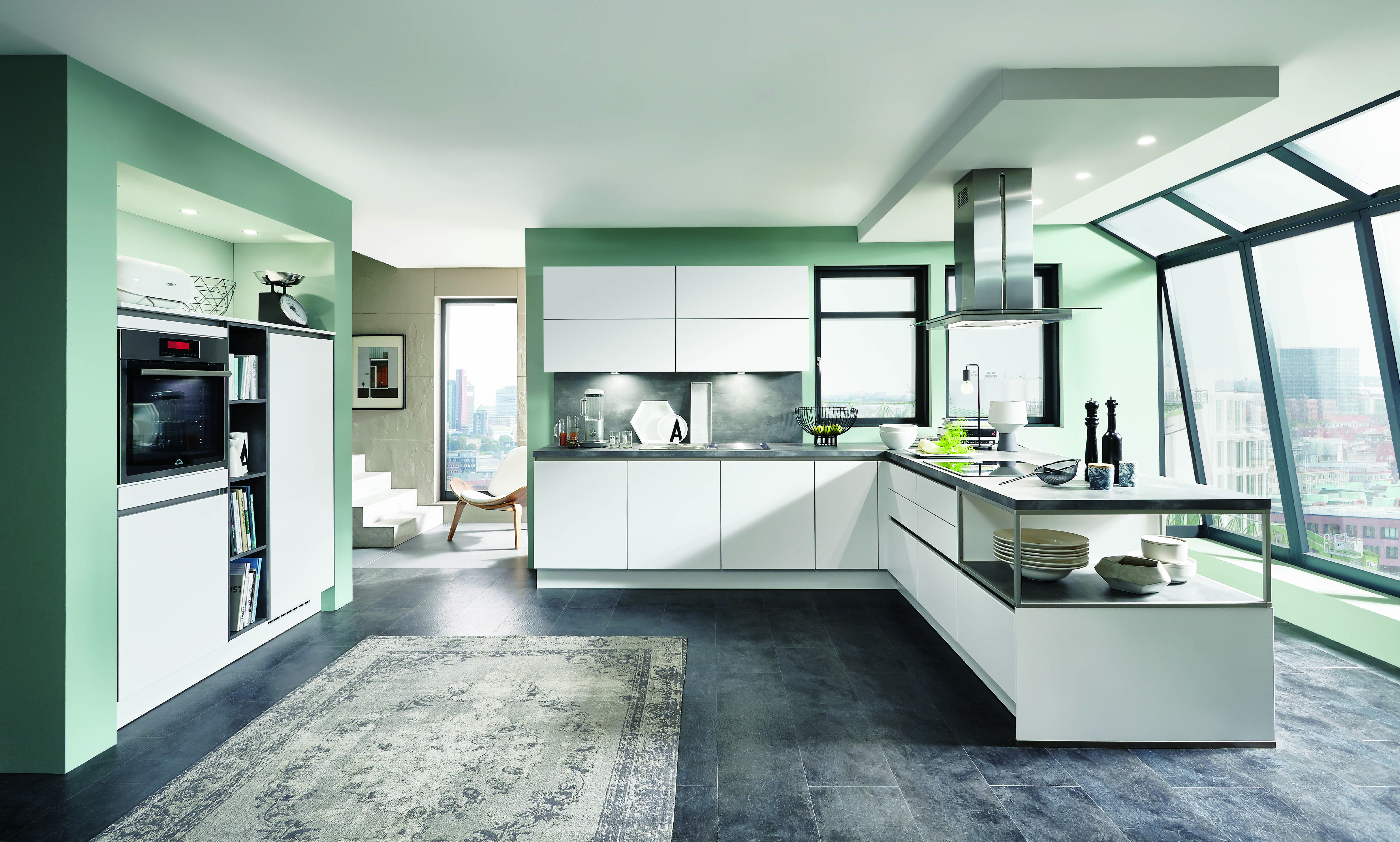
There is something timeless about a kitchen that feels simple, balanced, and thoughtfully designed.
Clean surfaces, carefully selected finishes, and uncluttered cabinetry can create an atmosphere that feels both sophisticated and welcoming. Rather than filling a space with unnecessary details, minimalist kitchen design focuses on making every element count.
But minimalism doesn't mean a kitchen has to feel empty or lack personality. Through thoughtful planning, contrasting textures, and carefully selected features, a minimalist kitchen can become one of the most distinctive spaces in a home.
At Noblessa USA, modern German kitchen design embraces this philosophy by combining refined aesthetics, practical functionality, and precision craftsmanship.
1. Let Clean Lines Define the Space
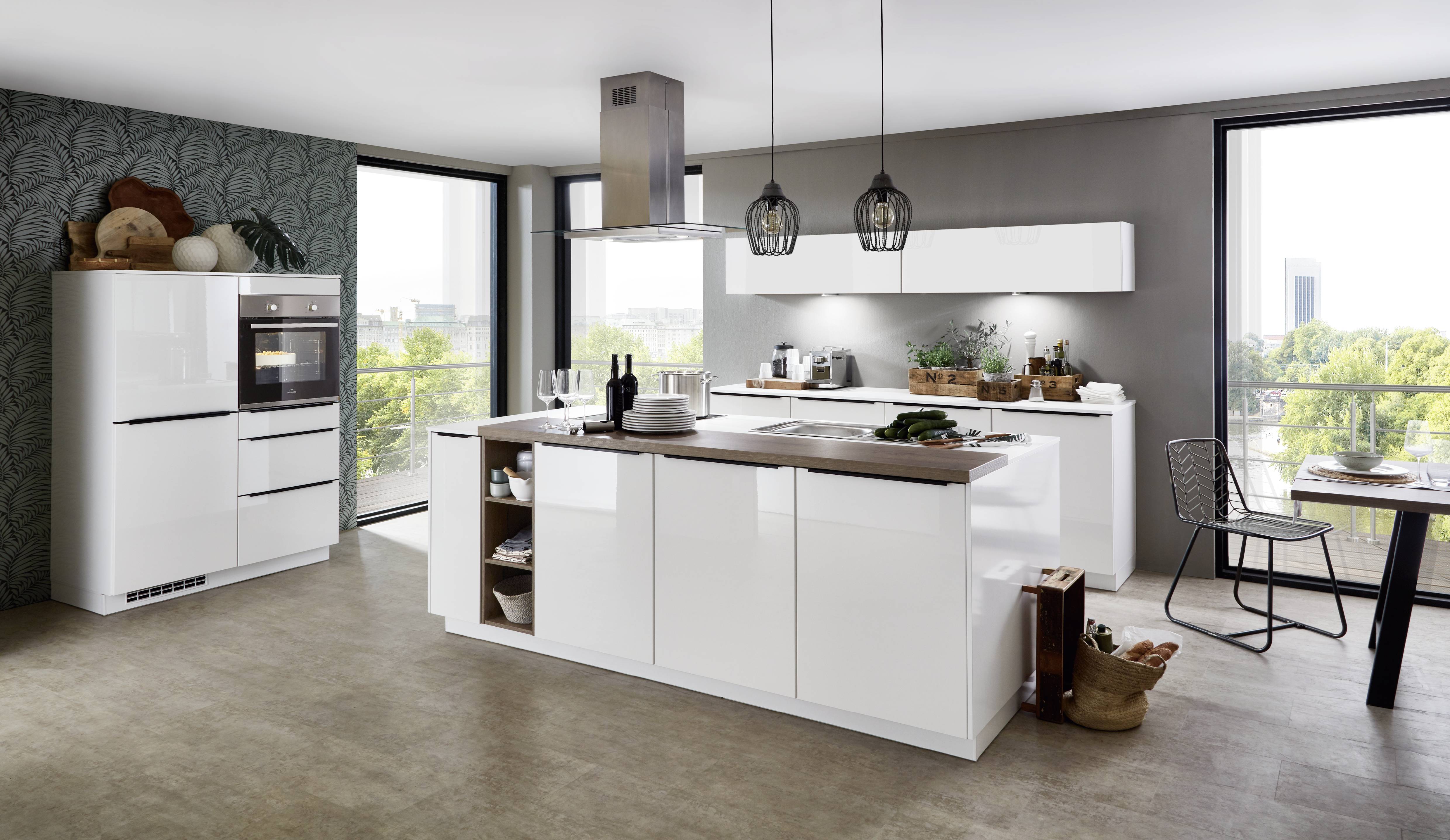
One of the most recognizable characteristics of minimalist kitchen design is its emphasis on clean lines.
Streamlined cabinet fronts, consistent proportions, and carefully aligned surfaces create a sense of visual order. Instead of drawing attention to decorative details, the design allows the cabinetry, materials, and overall architecture to stand out.
Flat-front cabinets and understated hardware can contribute to this appearance, creating a kitchen that feels polished without being overly elaborate.
The result is a space that looks intentional and remains visually appealing over time.
2. Embrace Concealed Storage
A minimalist kitchen should still accommodate everything needed for everyday living.
The secret is thoughtful storage.
Tall cabinets, integrated pantry systems, deep drawers, and concealed organizers help keep cookware, appliances, and everyday essentials out of sight while maintaining convenient access.
When countertops remain relatively clear, the kitchen feels more organized and the overall design becomes easier to appreciate.
This approach demonstrates that minimalism is not about having fewer things. It is about giving everything a proper place.
3. Choose a Refined Color Palette
Color plays an important role in creating a minimalist kitchen.
Neutral shades such as white, beige, gray, and taupe offer a timeless foundation. These colors can make cabinetry feel understated while allowing architectural details and materials to become more noticeable.
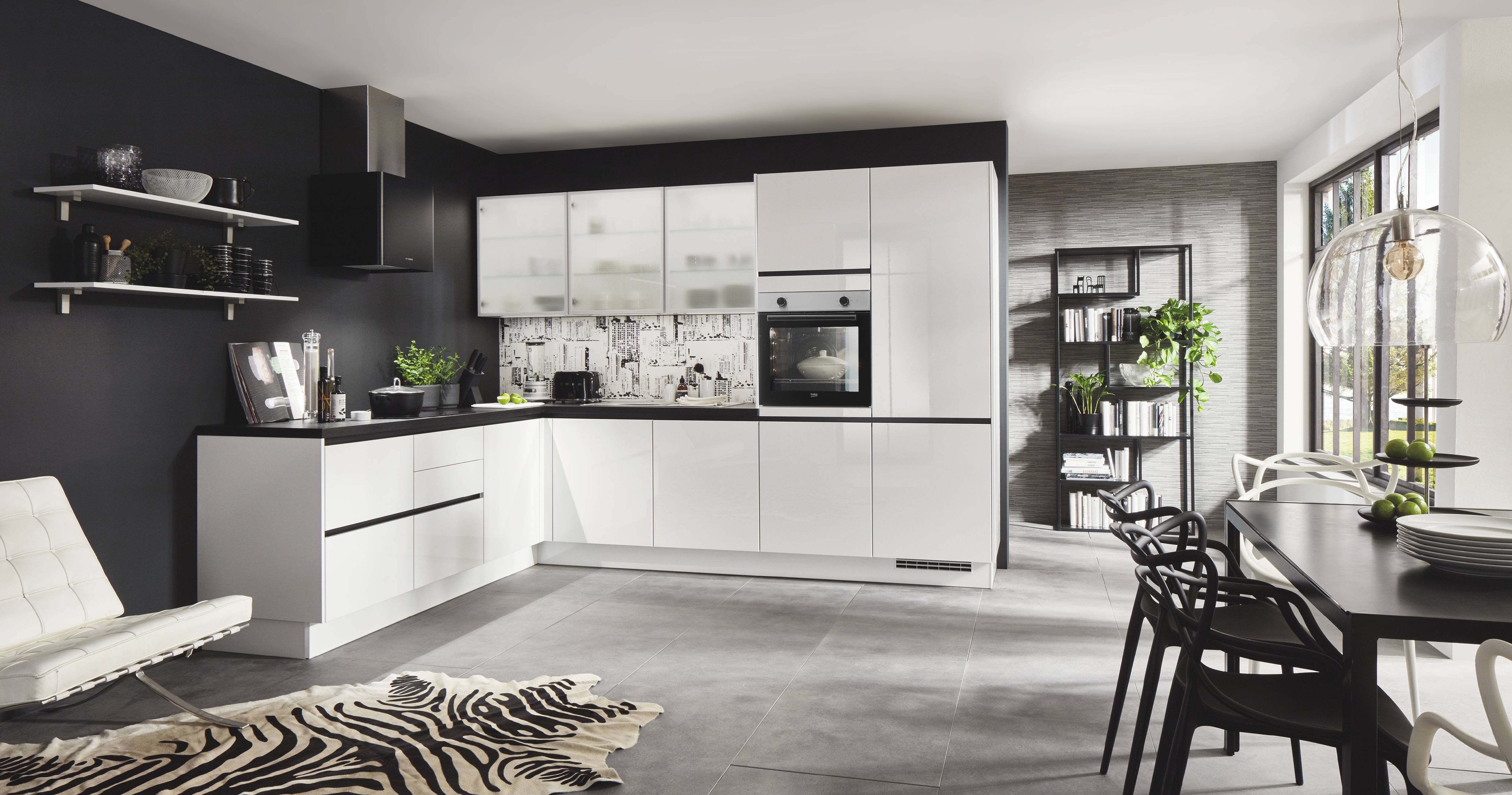
For homeowners who prefer a bolder look, darker finishes such as charcoal, graphite, and matte black can create a dramatic yet sophisticated atmosphere.
A consistent color palette helps different elements work together without making the room feel visually overwhelming.
4. Make a Statement With Subtle Contrasts
Minimalist kitchens don't have to rely on a single color or finish.
Introducing subtle contrast can add depth and personality while preserving a clean appearance.
Consider combinations such as:
- Matte black cabinetry paired with warm wood accents
- White cabinets complemented by natural stone surfaces
- Gray cabinetry combined with brushed metal details
- Dark finishes balanced with lighter flooring
- Neutral cabinet fronts paired with textured backsplashes
These combinations create visual interest without requiring excessive decoration.
The key is to choose materials that complement one another rather than compete for attention.
5. Integrate Appliances for a Seamless Appearance
Appliances are essential to a functional kitchen, but they don't always need to become the visual focus.
Integrated and built-in appliances can help maintain a consistent appearance across cabinetry.
Built-in ovens, concealed refrigeration, and carefully positioned cooking equipment allow the kitchen to retain its streamlined aesthetic.
When appliances are incorporated into the overall design from the beginning, the result can feel more cohesive and intentional.
6. Use Lighting to Highlight Architectural Details
Lighting can transform the atmosphere of a minimalist kitchen.
Rather than relying on a single central fixture, consider combining different types of lighting to create depth and functionality.
Under-cabinet lighting can highlight backsplashes and illuminate preparation surfaces. Pendant lights can introduce character above an island, while recessed fixtures provide general illumination.
Warm lighting can also soften the appearance of darker cabinetry and create a more inviting environment.
The goal is to make lighting feel like a natural part of the design rather than an afterthought.
7. Introduce Natural Elements
A minimalist kitchen can still feel warm and welcoming.
Natural materials such as wood, stone, and carefully selected decorative elements can soften the appearance of streamlined cabinetry.
A wooden breakfast bar, textured countertop, or small collection of plants can introduce character without creating unnecessary visual clutter.
These details help balance the simplicity of the design and make the kitchen feel more connected to the rest of the home.
8. Give Every Detail a Purpose
In minimalist design, even the smallest decisions matter.
The placement of a handle, the alignment of cabinet doors, the proportions of an island, and the selection of countertop materials all contribute to the finished appearance.
When unnecessary elements are removed, the quality and precision of the remaining details become more noticeable.
This is one of the reasons German kitchen design pairs naturally with a minimalist aesthetic. Careful planning and attention to detail help create spaces where appearance and everyday functionality work together.
9. Design for Long-Term Appeal
Kitchen trends change, but a well-balanced design can remain attractive for years.
Choosing a consistent palette, quality materials, practical storage, and timeless cabinetry can help create a space that doesn't depend on short-lived design trends.
This doesn't mean avoiding personality. Homeowners can still introduce individuality through lighting, furniture, decorative accessories, and selected accent finishes.
The advantage of a minimalist foundation is that these elements can evolve over time without requiring an entirely new kitchen.
Create a Kitchen Where Simplicity Makes an Impact
Minimalist kitchen design proves that a space doesn't need excessive decoration to make a lasting impression.
Through clean lines, concealed storage, thoughtful material combinations, and carefully integrated appliances, a kitchen can feel sophisticated while remaining practical for everyday life.
At Noblessa USA, modern German kitchen design brings these principles together to help homeowners create spaces that reflect their personal style while embracing simplicity, quality, and functionality.
See German Kitchens in Person
Explore the craftsmanship, cabinetry, and design possibilities of German kitchens at a Noblessa USA showroom:
Get a Free Consultation
Ready to create a kitchen that combines simplicity and sophistication? Schedule a free consultation with Noblessa USA to explore modern cabinetry, refined finishes, and personalized kitchen designs tailored to your home.