The right kitchen layout is the one that matches how you cook, how you move through the space, and how you want your home to feel - whether that ends up being an island, peninsula, L-shape, U-shape, galley, or one-wall design.
When you are planning a remodel or designing a custom kitchen from scratch, layout is the decision that quietly affects everything else - storage, workflow, seating, and even how “open” the room feels day to day. The good news: you do not have to guess. Once you know how you want to use the space, choosing the right layout becomes much easier.
Below is a simple guide to the most common kitchen layouts and who they work best for. And if you are exploring European or German kitchen cabinets in Los Angeles or Pasadena, or you are looking for a German kitchen showroom in Jupiter, these same layout principles apply - your room and routine should lead the design.
Start here: 4 quick questions that make layout decisions easier
Before you fall in love with inspiration photos, ask:
- How many people cook at the same time most days?
- Do you want seating in the kitchen, or should it stay strictly for cooking?
- Where does foot traffic pass through - and can you keep walkways clear?
- Do you need more storage, more prep space, or more flexibility?
Your answers help determine how much “counter run” you need, where your appliances should live, and how our kitchen cabinets should be configured for the way you actually live.
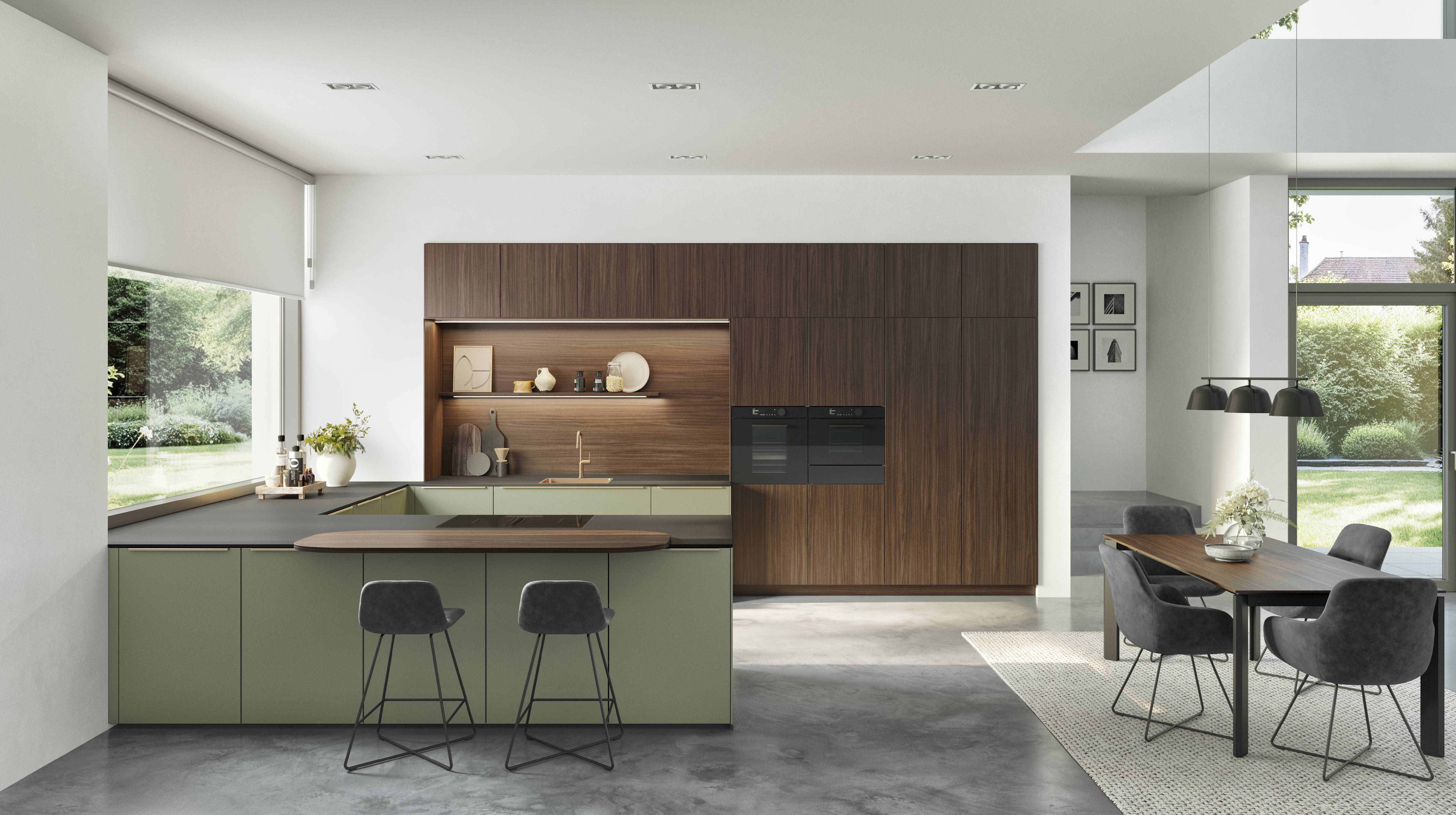
The Island layout: best for open plans and entertaining
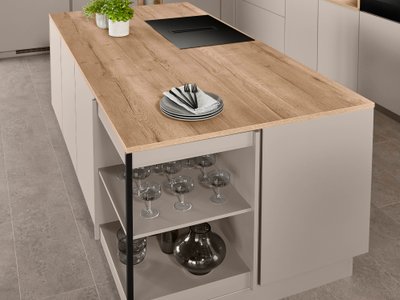
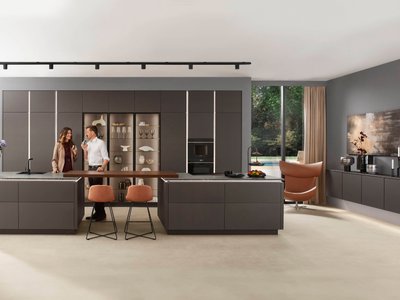
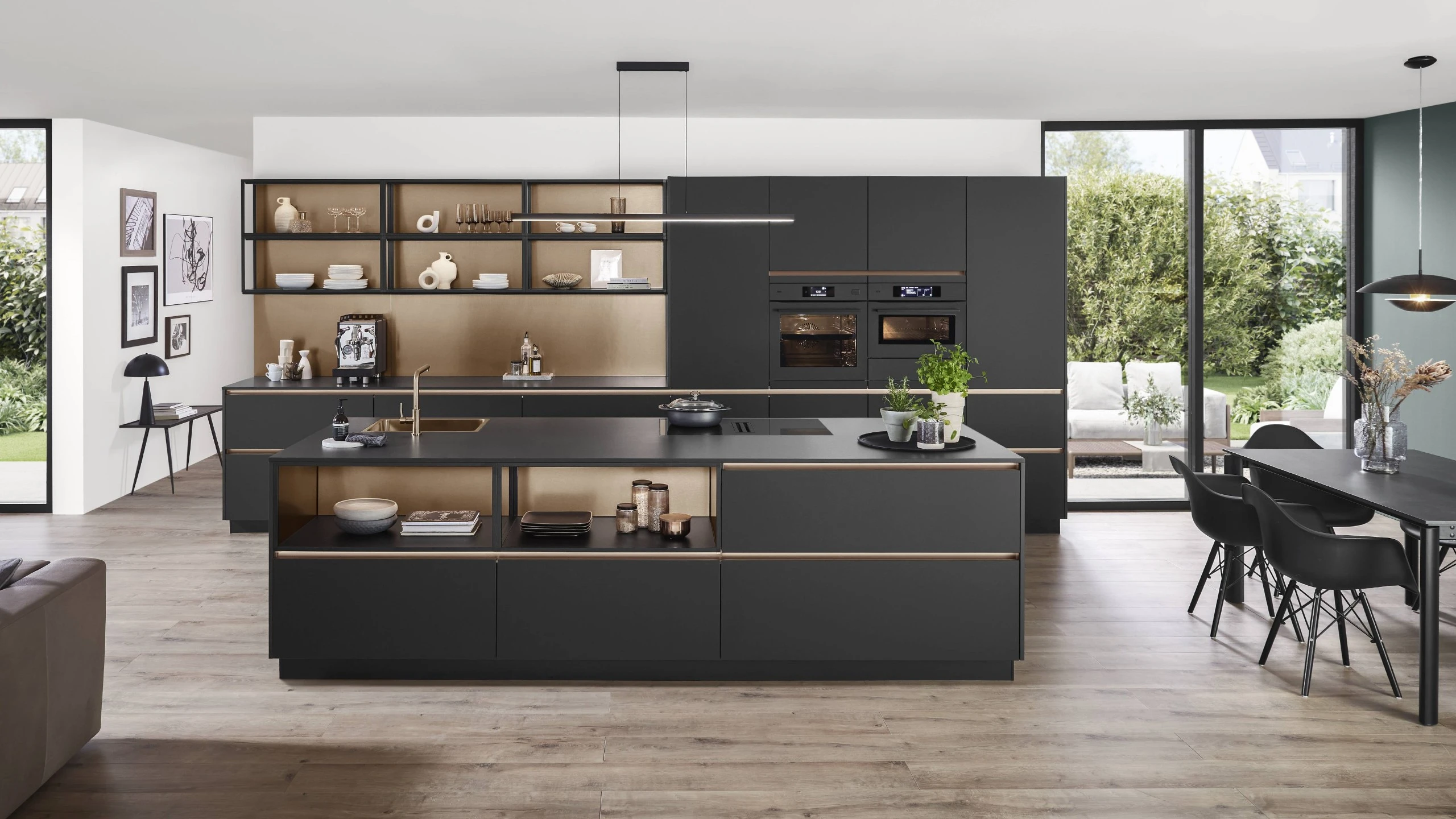
An island can add prep space, storage, and seating in one move. It is a great fit if your kitchen opens into a living or dining area and you want the space to feel social without sacrificing function.
A quick rule of thumb: if an island makes the room feel tight, a peninsula often gives you the same benefits with a smaller footprint.
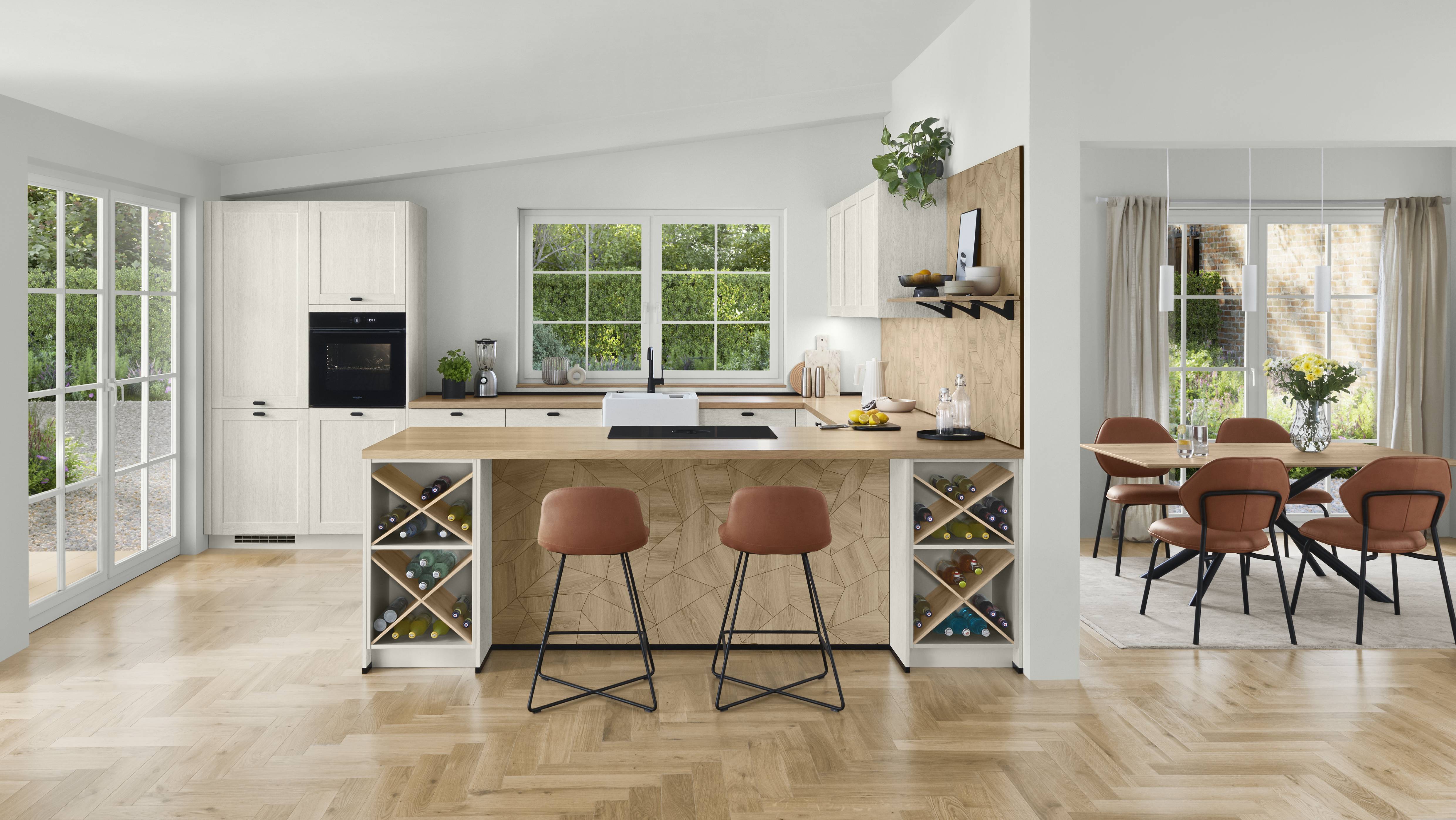
The Peninsula layout: best for connection without crowding
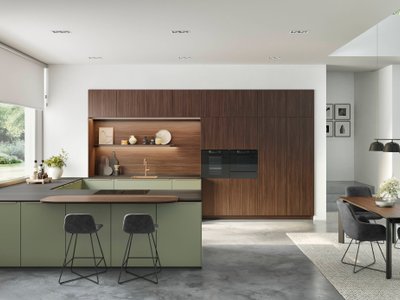
A peninsula is essentially an island that is attached to the main run of cabinetry. It can be perfect if you want seating or a casual hangout spot, but the room does not have the depth for a fully freestanding island.
This is also a popular choice when you want your kitchen to feel open to the rest of the home while still defining the cooking zone.
The U-shaped layout: best for maximum storage and efficiency
A U-shaped kitchen wraps cabinetry and counters around three sides, keeping everything within easy reach. If you want a layout that supports serious cooking, this is one of the most efficient options.
U-shaped kitchens are also a smart choice when storage is a priority - our kitchen cabinets can be designed to make every wall work harder without the room feeling busy.
The L-shaped layout: best all-around for flexibility
L-shaped kitchens work well in both smaller and larger homes. They give you two connected runs of cabinetry, leaving the rest of the room open for a dining area, an island, or extra circulation space.
If you like a layout that adapts as your needs change, L-shape is often the easiest foundation to build on - especially when paired with our kitchen collections that offer a range of finishes and styles.
The Galley layout: best for narrow spaces and focused cooking
A galley kitchen has two parallel runs with a walkway between. It is straightforward, efficient, and surprisingly high-end when the storage and workflow are planned well.
This layout is ideal if you want a dedicated cooking space where everything is close by, and it can be a great way to maximize storage without corners.
The One-wall layout: best for condos, small homes, and clean sightlines
One-wall kitchens keep all the work zones along a single line, which can make the space feel calm and uncluttered. When planned correctly, they can still be highly functional.
If you are working with limited square footage, vertical storage becomes especially important - this is where thoughtful cabinet planning matters just as much as the layout itself.
How to choose the “right” layout, without overthinking it
If you are torn between two layouts, decide based on these priorities:
- Workflow: keep your main work zones close, with clear landing space
- Traffic: avoid having people cut through the cooking zone
- Storage: design cabinets around what you actually own and use daily
- Seating: add it only if it will be used often, not just because it looks good
If you want to see how different layouts feel in real life, it helps to walk through them in person - especially when you are comparing proportions, cabinet heights, and how finishes look under real lighting.
To learn more about our design approach and what makes our kitchen collections so versatile, you can explore how we think about planning spaces that feel both functional and refined. If you would like to experience layout options in person, seeing them in a showroom can make decisions much easier. And if you want inspiration from completed spaces, you can view a selection of installed projects to spot layouts that fit your lifestyle.
Ready to plan your layout with a designer?
If you are deciding between layouts, selecting our kitchen cabinets, or narrowing down which of our kitchen collections fits your home, we can help. Book a free consultation or reach out with any questions here: https://noblessa-usa.com/contact/