Quick answer: A universal design kitchen is planned to be comfortable and safe for as many people as possible, regardless of age or mobility. The focus is on clear walkways, easy-reach storage, smart lighting, and layouts that reduce bending, lifting, and unnecessary steps.
Universal design is often described as aging-in-place friendly, but it is bigger than that. A universal design kitchen benefits everyone - kids, busy households, tall and short users, and anyone recovering from an injury.
If you want a kitchen that stays functional for the long term, universal design is one of the most practical design directions you can choose.
Below are the core principles and a simple planning approach you can use.
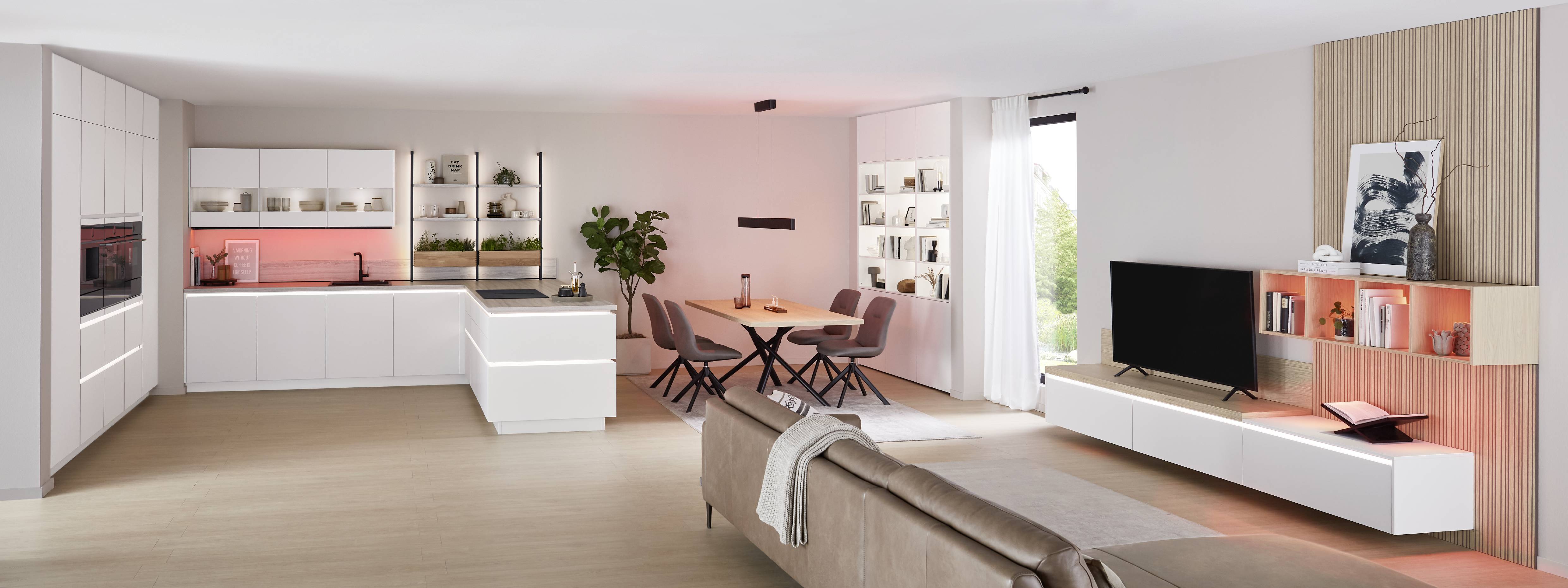
What makes a kitchen truly universal?
Universal design kitchens share the same goal: reduce friction.
A good universal design kitchen supports:
- Easier movement through the space
- Less bending and reaching
- Clear task zones that reduce back-and-forth
- Lighting that improves visibility and safety
- Storage that makes daily items easy to access
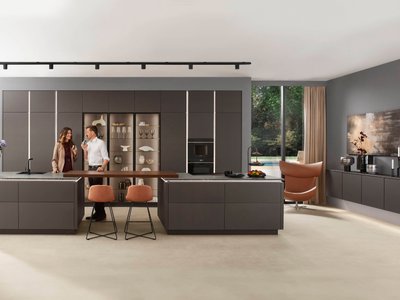
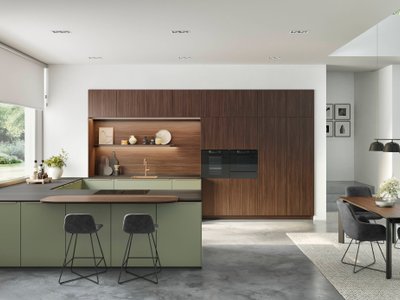
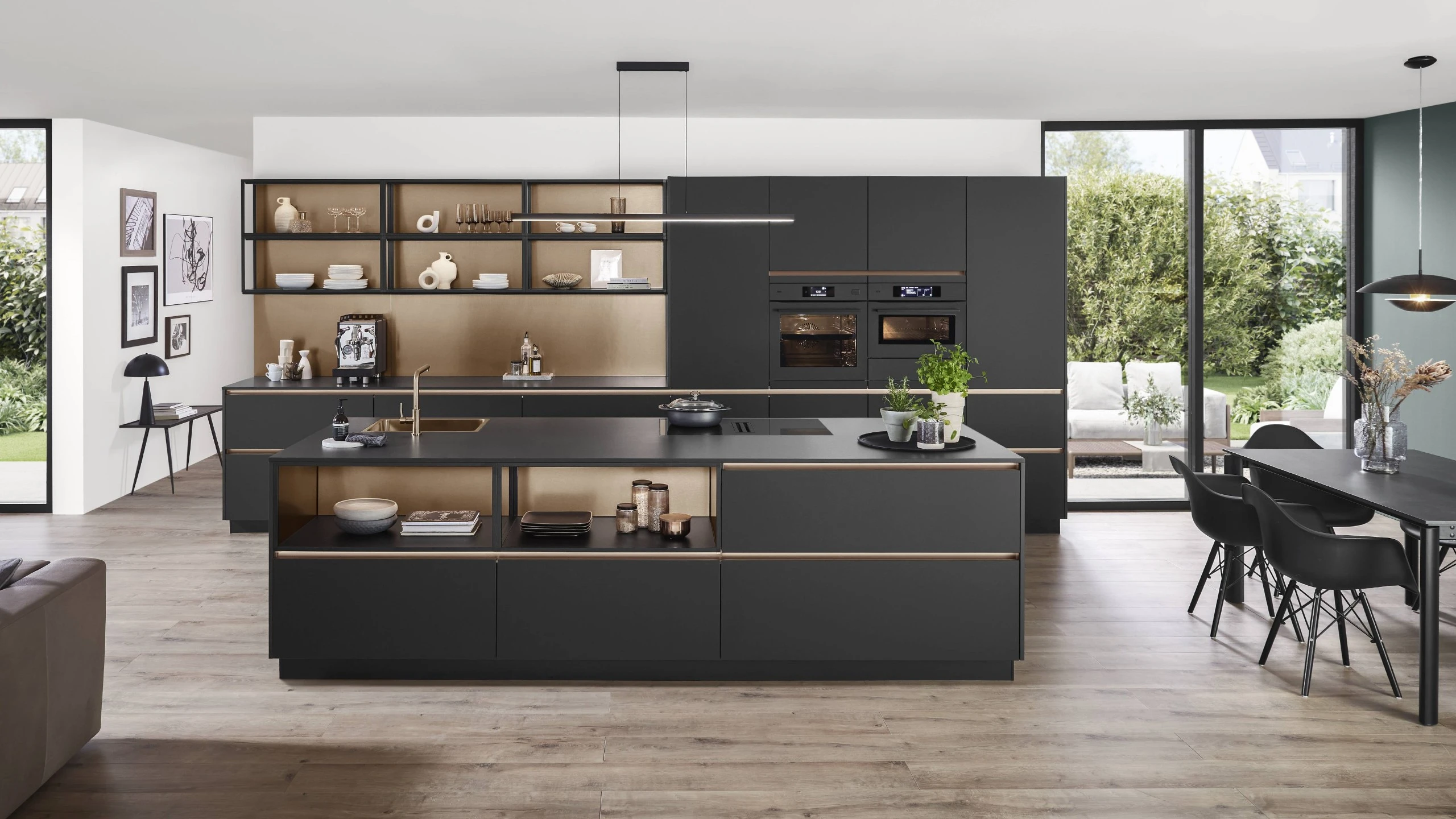
To see how different kitchens come together in real homes, browse finished projects here: https://noblessa-usa.com/clients/
1) Start with clear walkways and easy circulation
Most accessibility issues begin with traffic flow. If the kitchen feels tight now, it will feel tighter later.
Planning priorities:
- Keep walkways open and predictable
- Avoid pinch points near the fridge, oven, and sink
- Protect clearance for drawers and doors to open without blocking movement
If you want to compare layout approaches in person and see how spacing feels at full scale, you can visit a showroom here: https://noblessa-usa.com/showrooms/
2) Build storage around reach, not just volume
A universal design kitchen does not only add storage. It places storage where it is easiest to use.
A simple storage rule:
- Daily items should be in the easiest-to-reach zone
- Heavy items should live in drawers or lower storage you can access without strain
- Occasional items can go higher or further away
Storage choices that support universal use:
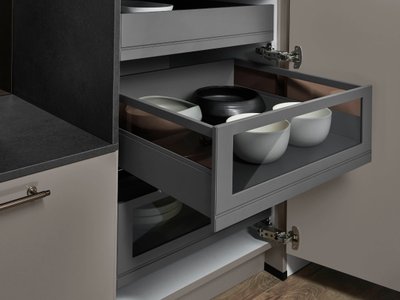
- More drawers for cookware and dishes
- Pull-out storage for pantry items
- Clear zones so you do not hunt for items
This reduces bending and makes the kitchen easier for everyone to use.
3) Make the sink and prep zone comfortable
The sink and prep area are where most daily tasks happen, so this zone should feel effortless.
Helpful planning ideas:
- Keep the most-used prep tools near the sink
- Create landing space on both sides of the sink if possible
- Prioritize a calm, clear counter for daily prep
If you want a kitchen that stays easier to use long term, the prep zone matters more than almost any other area.
4) Use lighting as a safety feature
Universal design kitchens are brighter on purpose. Not harsh, but clear.
A simple lighting plan:
- Ambient light to fill the room evenly
- Task light on counters and sink to remove shadows
- Accent light to support visibility at night
Good lighting improves comfort and reduces eye strain, especially in open concept homes where the kitchen is used early morning and late evening.
5) Choose finishes that support real life
Universal design kitchens should be easy to maintain, not delicate.
What tends to work well:
- Finishes that are easy to wipe down
- Surfaces that handle frequent use
- A design direction that stays cohesive so the kitchen always looks pulled together
This is where planning our kitchen cabinets and our kitchen collections around how you actually live helps the kitchen feel practical and elevated at the same time.
To learn more about how noblessa USA approaches kitchen design planning, start here: https://noblessa-usa.com/about/
6) Plan zones that reduce unnecessary steps
A universal design kitchen is efficient. You should not have to walk across the kitchen repeatedly for common tasks.
A helpful zone approach:
- Cooking zone near cookware and spices
- Prep zone near tools, bowls, and cutting boards
- Dish zone near dishwasher and dish storage
- Pantry zone near where groceries land
This supports easier cooking and makes it more comfortable for anyone using the kitchen.
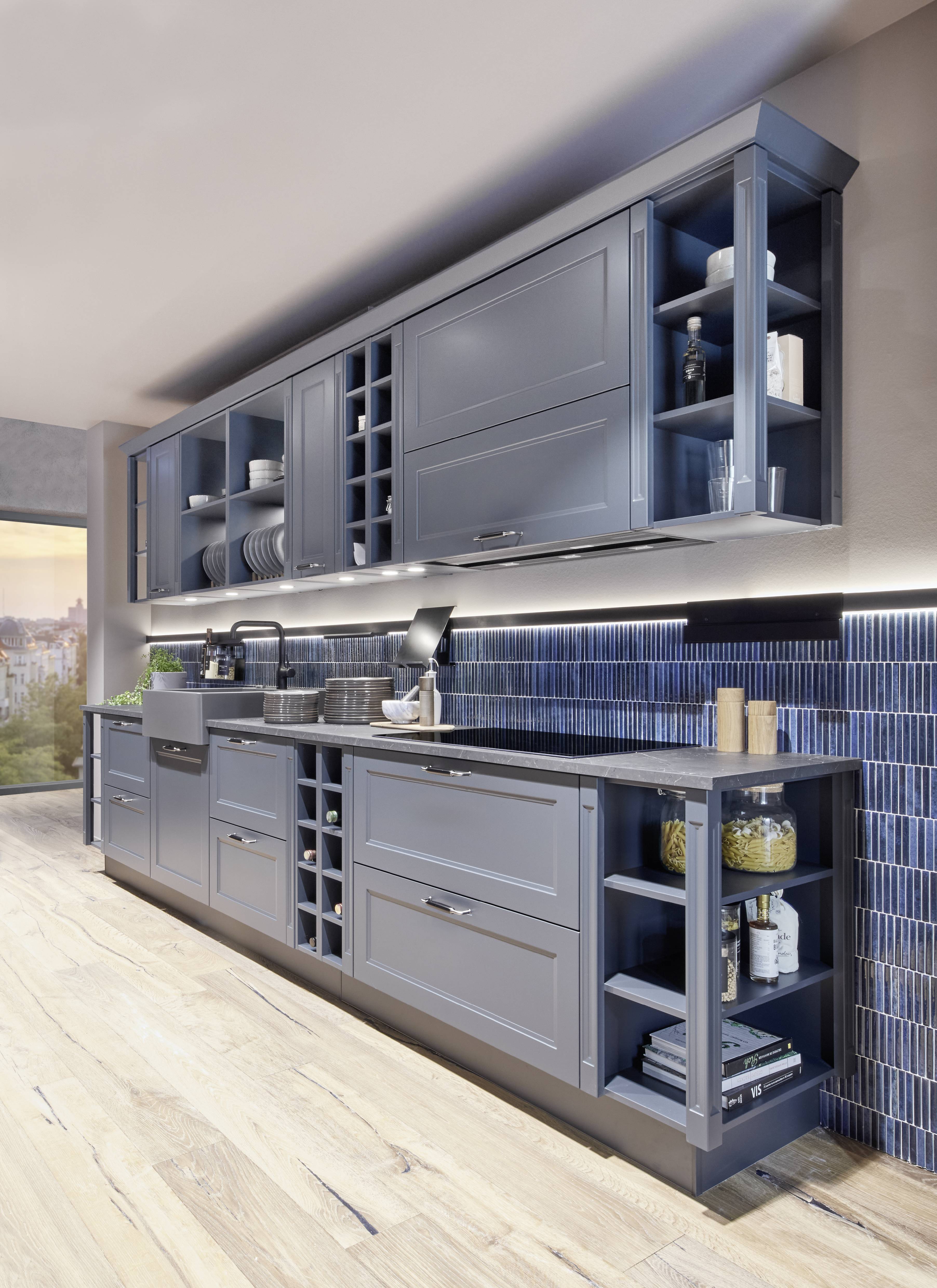
FAQ
Is a universal design kitchen only for seniors?
No. It benefits everyone. It improves comfort, reduces daily strain, and supports long-term usability for any household.
What is the easiest universal design upgrade?
Better storage placement and more drawers for heavy items are two of the highest-impact changes. Improved task lighting is another upgrade that immediately helps.
Does universal design mean the kitchen looks clinical?
Not at all. A universal kitchen can look modern, warm, and high-end. The difference is that the layout and storage are planned more intentionally.
Want a kitchen plan that stays comfortable and functional for the long term? Get a free consultation or ask any questions here: https://noblessa-usa.com/contact/