Quick answer: A small kitchen feels bigger when you reduce visual clutter, maximize vertical storage, improve lighting, and keep the layout simple with clear zones for prep, cooking, and cleanup.
You do not need more square footage to create a kitchen that feels open. Most of the time, what makes a kitchen feel cramped is not size. It is clutter, poor storage planning, and layout choices that interrupt flow.
Below are practical small kitchen design strategies that can make your space feel noticeably bigger, without expanding.
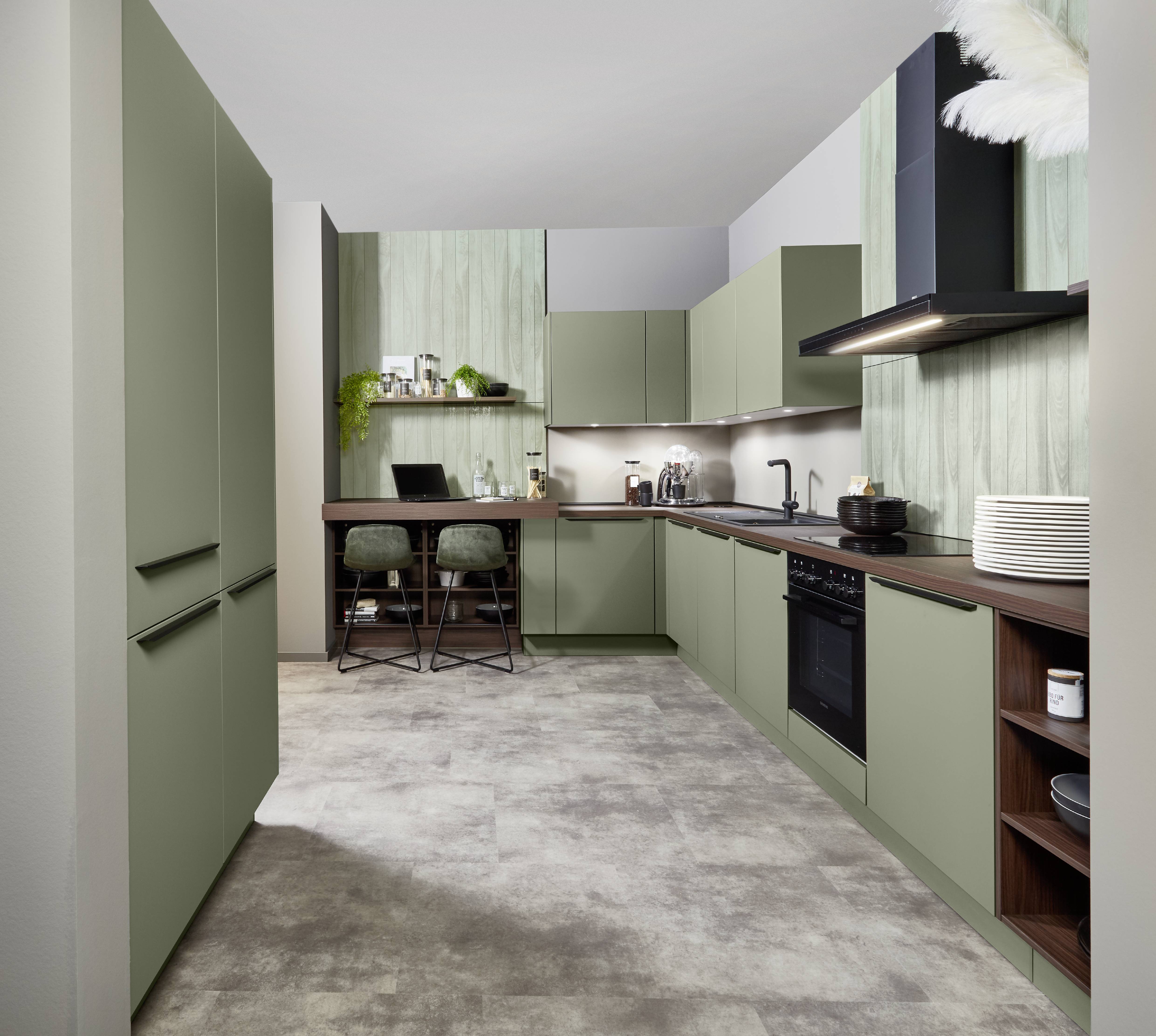
1) Keep the layout calm and predictable
In a small kitchen, simplicity wins. A straightforward layout with clear zones helps the room feel easier to move through.
Small layout priorities:
- Keep the main walkway clear
- Avoid adding obstacles that break up the floor space
- Group tasks so you are not crossing the kitchen repeatedly
2) Use vertical storage to clear counters
Counters feel smaller when they are crowded. One of the fastest ways to make a small kitchen feel bigger is to get items off the counter and into storage that is easy to access.
Helpful ideas:
- Taller cabinet runs where possible
- Cabinet storage planned around zones, not random shelves
- Open shelving used in moderation so it does not become visual clutter
To see how compact kitchens can still look polished, browse finished spaces here: https://noblessa-usa.com/clients/
3) Choose cabinet colors and finishes that reflect light
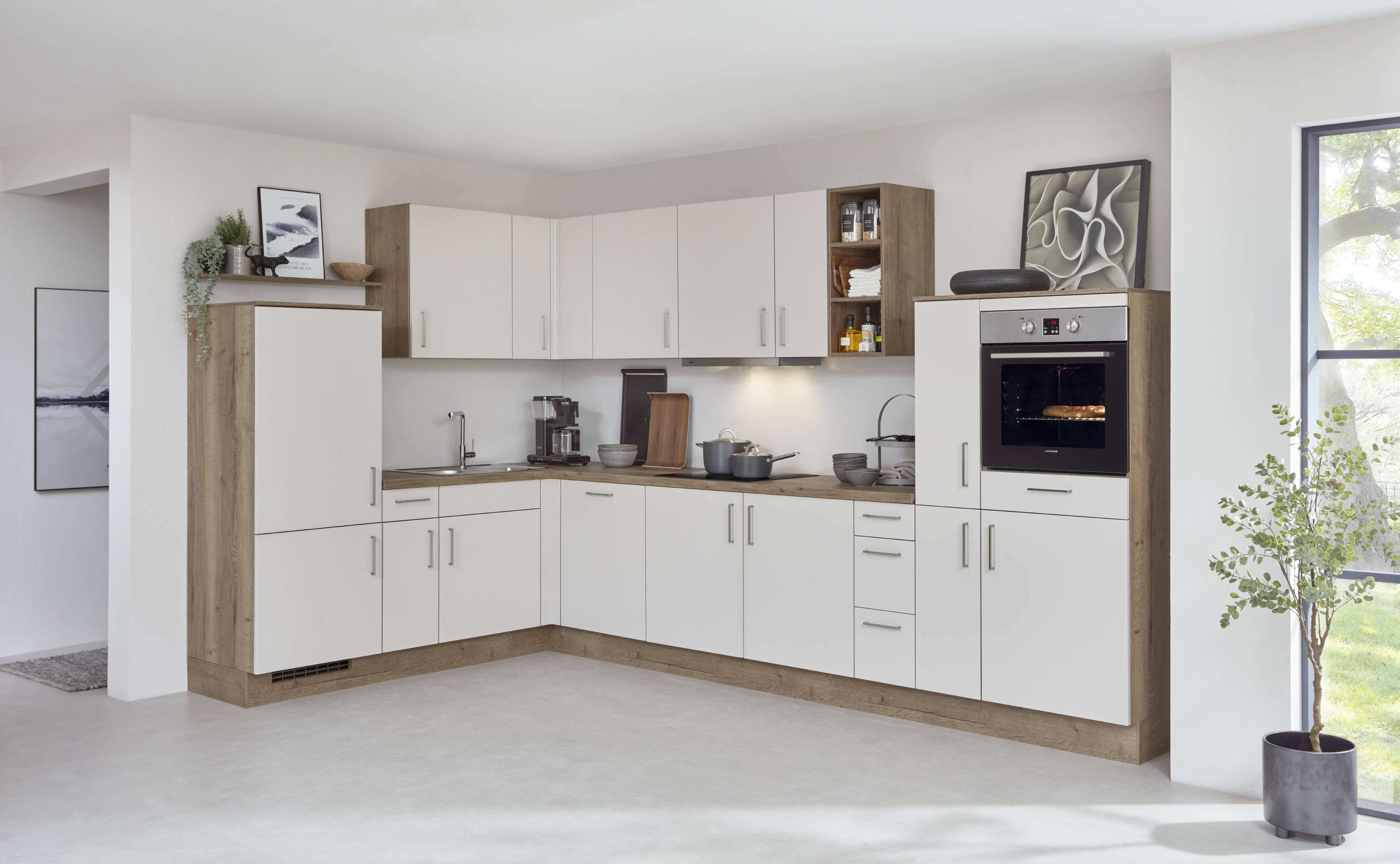
Light finishes tend to bounce light and reduce harsh contrast, which helps a smaller space feel airy. This does not mean everything must be white, but it does mean your cabinet color should support the lighting in your room.
Good small-kitchen color directions:
- Soft whites and warm neutrals
- Light wood tones
- Muted colors paired with simple surfaces and good lighting
4) Create a clean visual line
In small kitchens, the eye notices every break in the design. Keeping a consistent look across your cabinetry and finishes can make the kitchen feel more continuous and less chopped up.
A few ways to do this:
- Keep cabinet fronts consistent
- Limit the number of competing materials
- Use hardware that feels cohesive across the space
5) Make lighting do the heavy lifting
Small kitchens often feel darker, and darkness makes rooms feel smaller. Layered lighting can change the entire perception of the space.
A simple lighting plan:
- Bright overhead lighting to lift the whole room
- Under-cabinet lighting to remove shadows on counters
- A focused light over a key area like a prep zone
If you want to compare finishes and layouts in person, visiting a showroom can help you visualize how a small kitchen can feel more open: https://noblessa-usa.com/showrooms/
6) Build storage around your real routine
The best storage plan is not the one with the most cabinets. It is the one that matches how you cook.
Start with these questions:
- Where do groceries land when you walk in
- What do you use daily vs occasionally
- What always ends up on the counter because it has no home
When storage matches your habits, counters stay clear and the kitchen feels bigger.
7) Use one flexible zone for multiple tasks
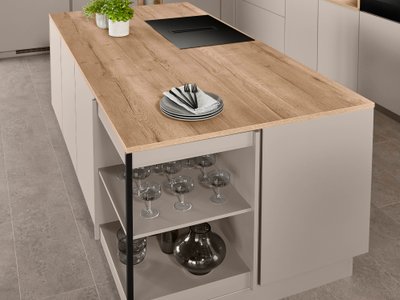
If your kitchen is small, every surface should earn its place. A small desk nook, a compact peninsula, or a simple counter extension can add function without making the space feel crowded.
This works especially well in small apartments or open-plan homes where the kitchen needs to support more than cooking.
8) Add contrast, but keep it controlled
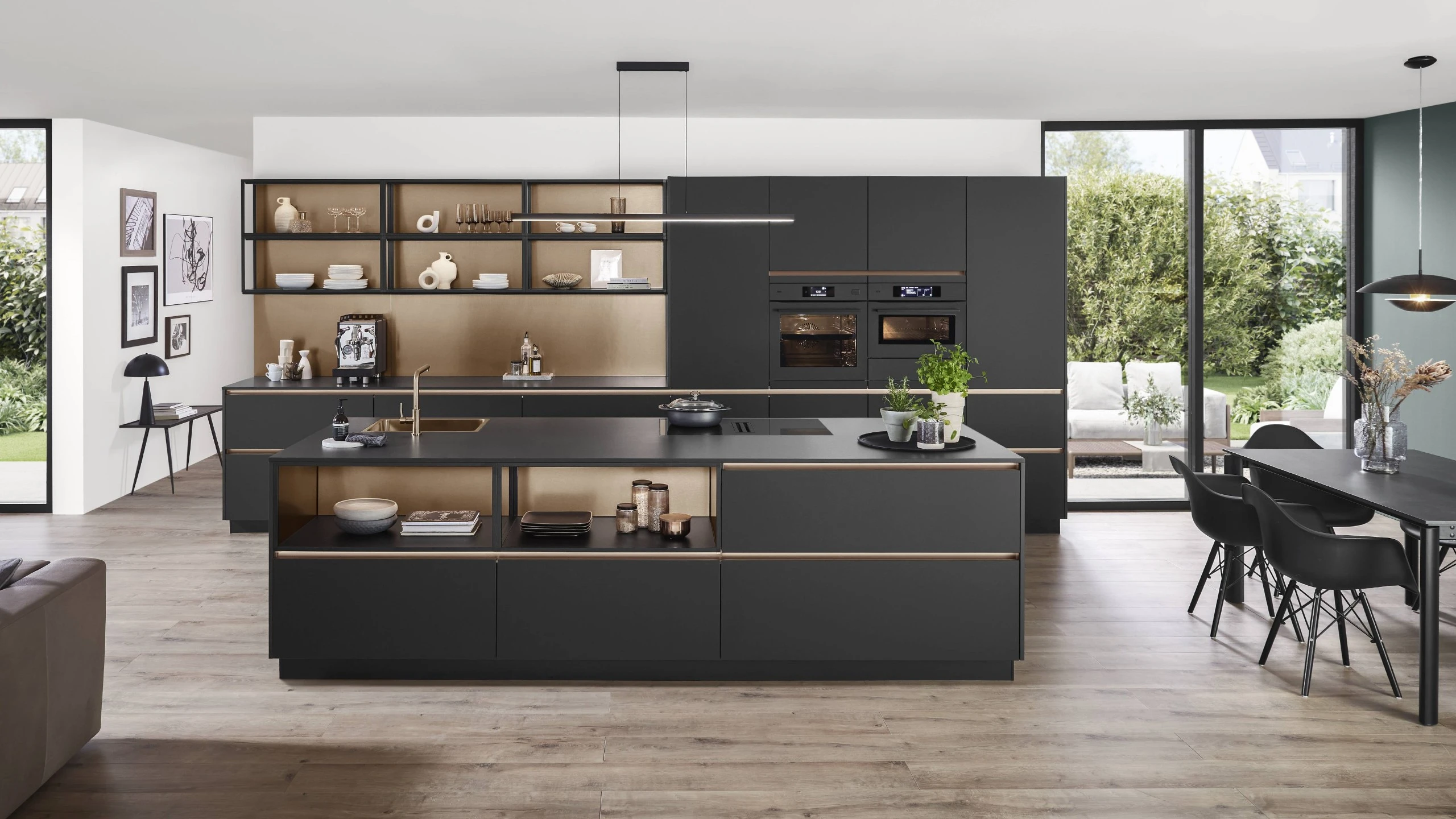
Contrast can look beautiful in a small kitchen, but too much contrast can make the room feel busy. If you want deeper tones, use them strategically and balance them with lighter surfaces and strong lighting.
A simple approach:
- Use one deeper tone for cabinetry or an accent
- Keep counters and walls lighter
- Use warm wood details to soften the palette
To learn more about how noblessa USA approaches kitchen planning and cohesive design, start here: https://noblessa-usa.com/about/
FAQ
What makes a small kitchen feel cramped?
Cluttered countertops, poor lighting, limited storage, and layouts that interrupt flow.
Should small kitchens use light cabinet colors?
Light colors often help, but the bigger factor is how the color works with your natural light and how clean the overall design stays.
Is open shelving good for a small kitchen?
It can help if used sparingly. Too much open shelving can create visual clutter, which makes a small kitchen feel smaller.
Want a small kitchen plan that feels open and functional? Get a free consultation or ask any questions here: https://noblessa-usa.com/contact/