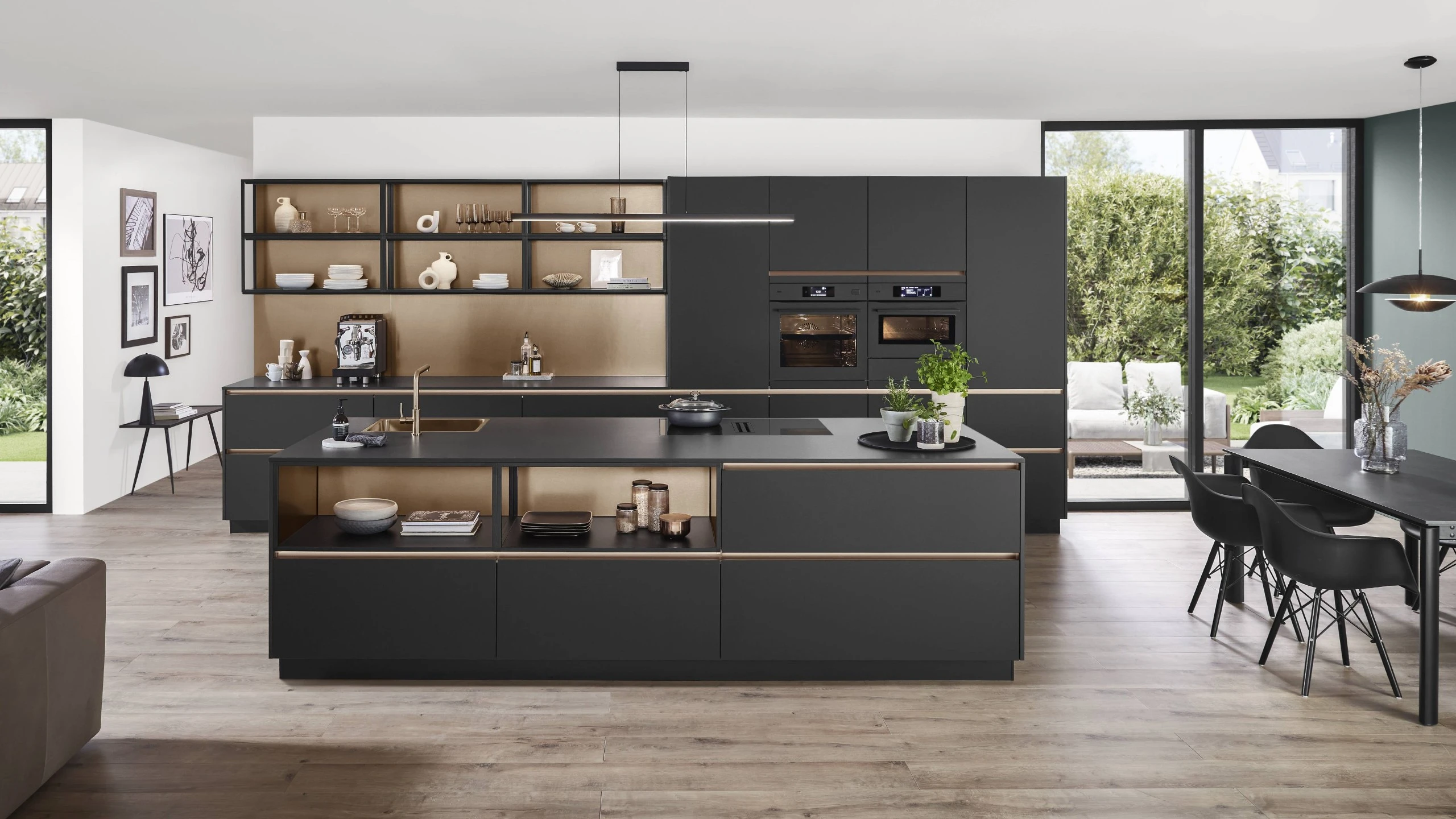
Here’s a quick game for you to play at home: grab the nearest thesaurus (or if you’re not that old-school, go to thesaurus.com), and look up the word ‘modern’ - what’s the first synonym that comes up? That's right, it’s ‘contemporary’. This is where the age old misconception that modern and contemporary design are the same essentially stems from.
Even though the meaning of these words are synonymous - are modern design and contemporary design similar enough to be considered synonymous too? Believe or not, there are actually key distinctions between these two design movements, and also some similarities - essentially, they are what we would call ‘same same, but different’, and we’re here to show you the specifics.
Modern Interior Design, Unpacked
When we consider art history, artworks are classified according to the distinct period of time that it was created or made in, and subsequently, which movement it fits into. Think Modernism versus Expressionism (and the likes).
This same notion applies for modern design, which refers to the design movement of the early to mid-twentieth century that tastefully combines design elements from the past, particularly the period from the 1920s to the ‘70s. Similarly, the inception of modern interior design actually occurred at the peak of the modern art movement, drawing influence from Scandinavian, German Bauhaus, and even Art Deco styles.
This specific style focuses on form and function above all - two notions that are treated equally within modern design - and leaves no room for excess and embellishment. Neutral color schemes and sleek, crisp lines are utilized to bring a simplistic feeling to the space. The use of natural materials, like wood, are a common feature within a modern room. The inclusion of color (in primary hues) is usually found in a simple accent and never covering an entire wall or area. The goal is to create an artistic focal point and break up the neutral color palette of the rest of the room.
Contemporary Design, Explained
Unlike modern design - which focuses on style accents of the past and a combination of various decorative movements - contemporary design is the here and now, and even the future. This means it's constantly fluctuating as our idea of design changes and develops.
As time passes, the decor trends of today are essentially considered as contemporary. Because this style is not tied to a specific time period, it's more challenging to create a definition. Contemporary design is constantly changing and evolving to reflect the exact time in which it exists. However, it certainly borrows elements from modernism, minimalism, Art Deco and other styles, but it doesn’t focus on one over another.
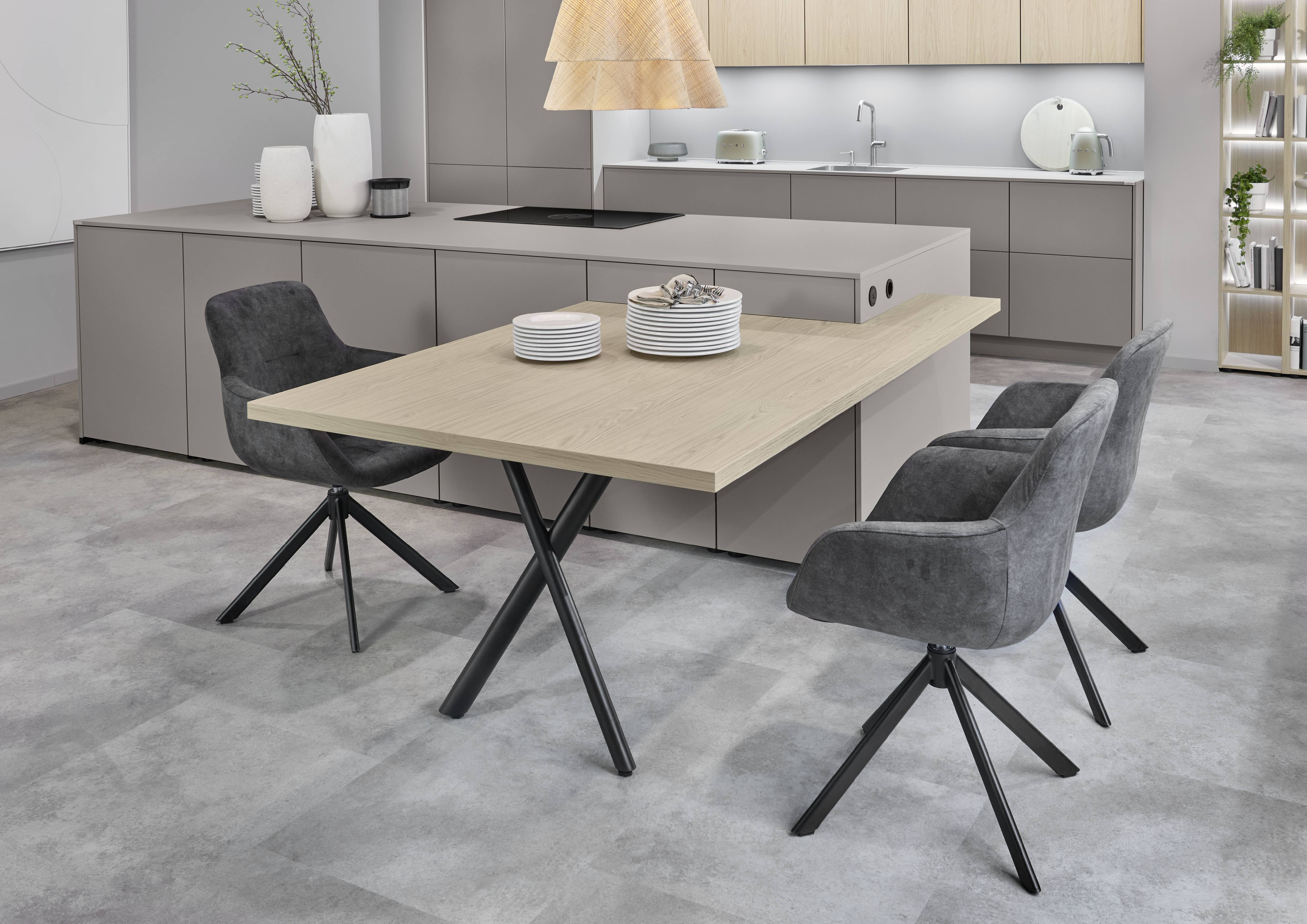
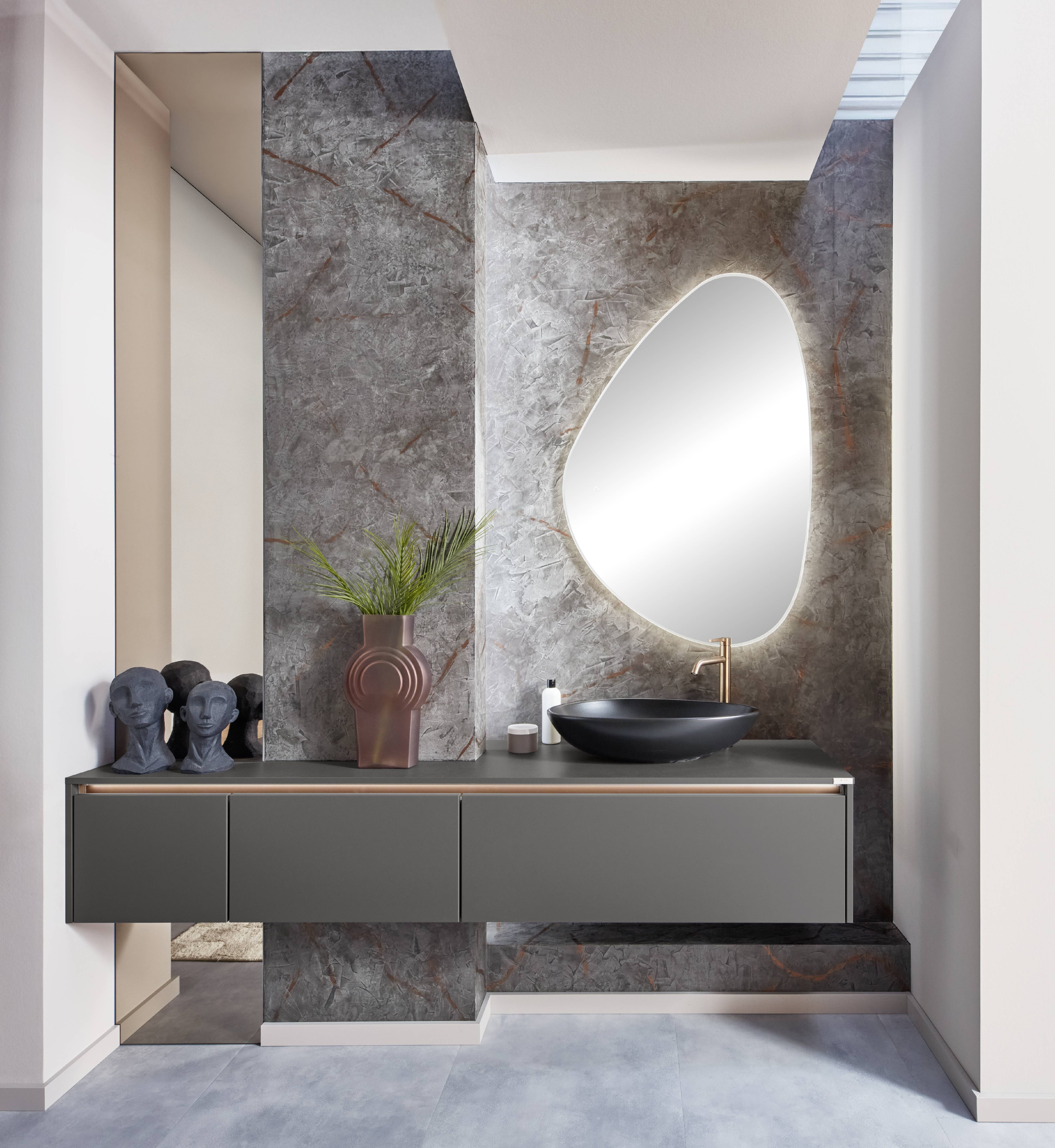
Contemporary design exists as a result of societal influences as well. The digital revolution, environmentalism, and globalization all allow for a mix of various global styles to exist in harmony in one space. Because of this, you'll often see strong Scandinavian design influence in today’s contemporary design choices, like those that are prominent in noblessa’s premium German kitchens. This includes organic silhouettes, stark minimalism and industrial-inspired materials - like steel and chrome juxtaposed with natural textures.
Modern vs. Contemporary - And When To Choose Which?
Now that we've pointed out the differences between modern and contemporary design, let's discuss the similarities. They both incorporate neutral colors to encourage an air of simplicity, however, modern spaces lean towards a warmer color palette while contemporary rooms will feature starker contrasts and more striking hues.
Both styles also tend to reflect crisp, clean shapes and lines so as to not overwhelm the senses. Modern design achieves this by using straight lines, while you are likely to find curvier furnishings in a more contemporary design.
Finally, both styles ultimately want to achieve a sense of openness with a no-fuss approach to furniture, lighting, decorative pieces, and a strict adherence to keeping out the clutter.
Start Your Redesign Journey Today
Here at noblessa, we encourage embracing these minimalistic design trends when redoing your space. Our state-of-the-art German manufacturing and advanced technology allows us to be the pioneers in producing modern and contemporary designs worthy of any home - have a look at any of our collections, and you’ll agree.
Feeling inspired? Speak with a noblessa Kitchen Designer