Quick answer: A kitchen island works when you plan clearances first, then choose the right size, seating, and function. Most island problems come from tight walkways, not enough landing space, or seating that blocks the workflow.
A kitchen island can be the most useful part of your kitchen or the thing that makes it feel cramped. The difference is layout planning.
Below is a practical guide to kitchen island sizes, seating, and spacing so the island looks intentional and works well in real life.
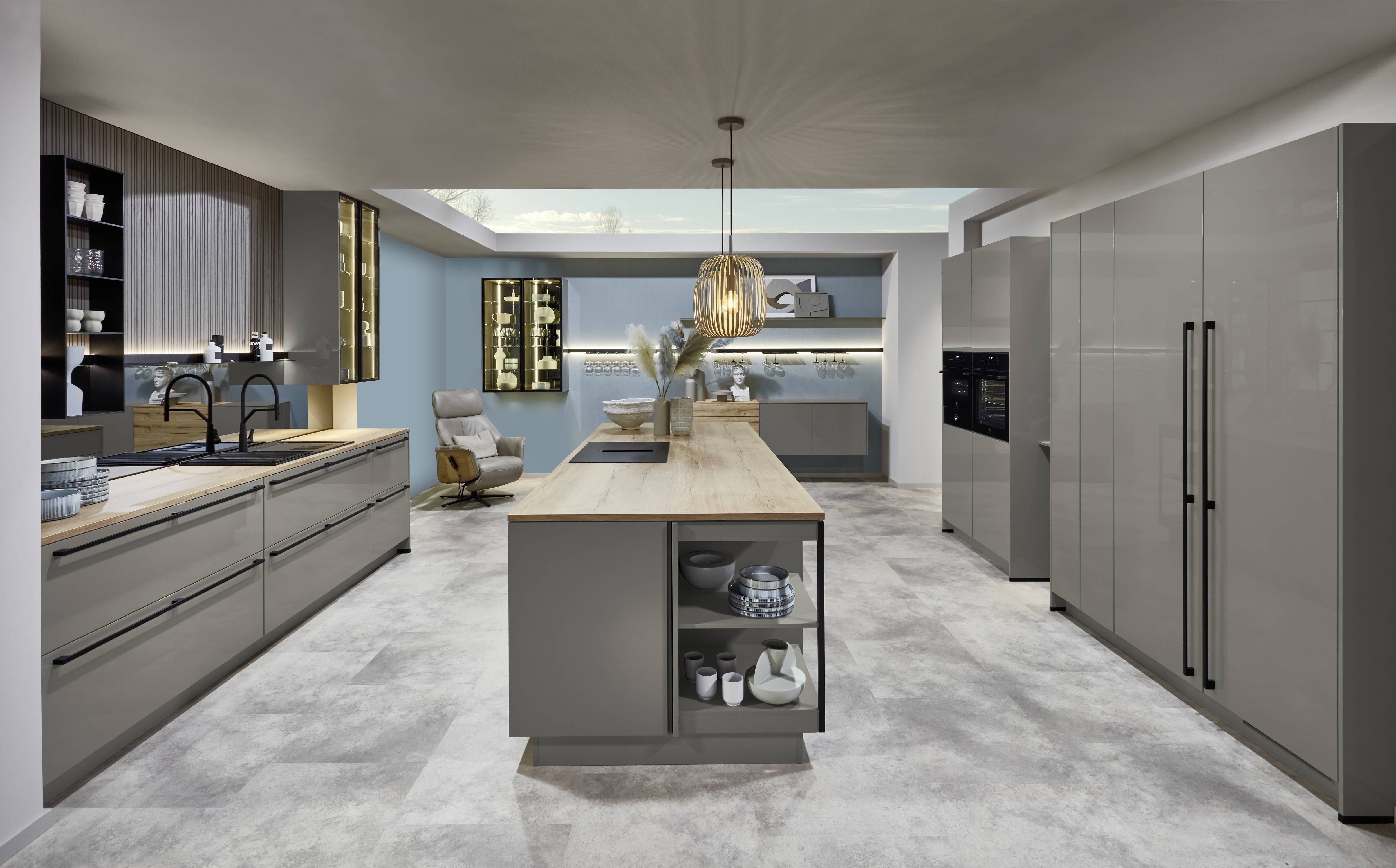
Step 1: Start with your walkways, not your island
Before you decide how long the island should be, measure the space around it. Your walkway clearance determines what island size is realistic.
General spacing guidance:
- Aim for comfortable clearance around the island for moving, opening drawers, and passing by others
- Plan extra room in high-traffic kitchens or homes where multiple people cook at once
If you are unsure what will feel right, it helps to view layouts in person and compare proportions across different kitchens: https://noblessa-usa.com/showrooms/
Step 2: Choose the main purpose of your island
Islands work best when you pick one primary job, then support it with a secondary job.
Common island purposes:
- Prep-focused island with maximum workspace
- Seating-focused island for meals and gathering
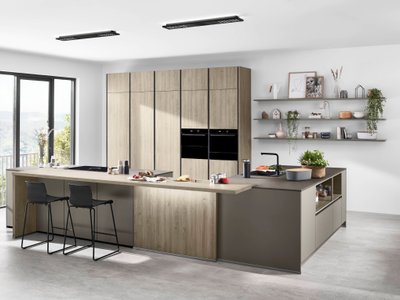
- Multi-use island that supports prep plus casual seating
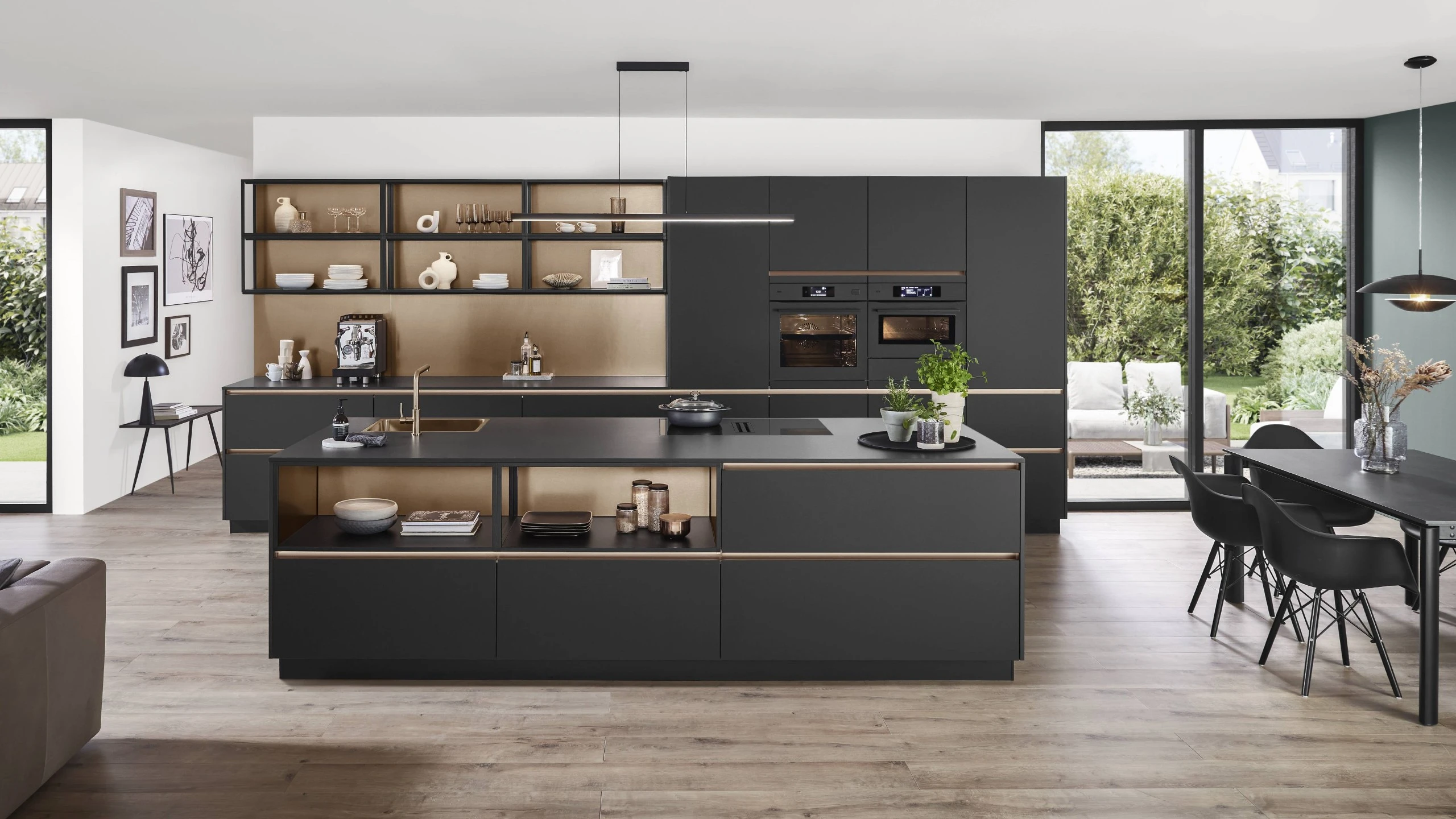
- Cooking island with a cooktop and landing zones
A quick rule: If the island tries to do everything, it often does everything poorly. Prioritize how you actually live.
Step 3: Island size guidelines that keep things functional
Instead of chasing the biggest island possible, aim for the one that fits your room and gives you usable workspace.
A functional island usually needs:
- Enough length for prep and landing space
- A depth that supports seating only if you want seating
- Clear corners so people do not collide during busy moments
If you want inspiration for islands that feel balanced, explore completed kitchens here: https://noblessa-usa.com/clients/
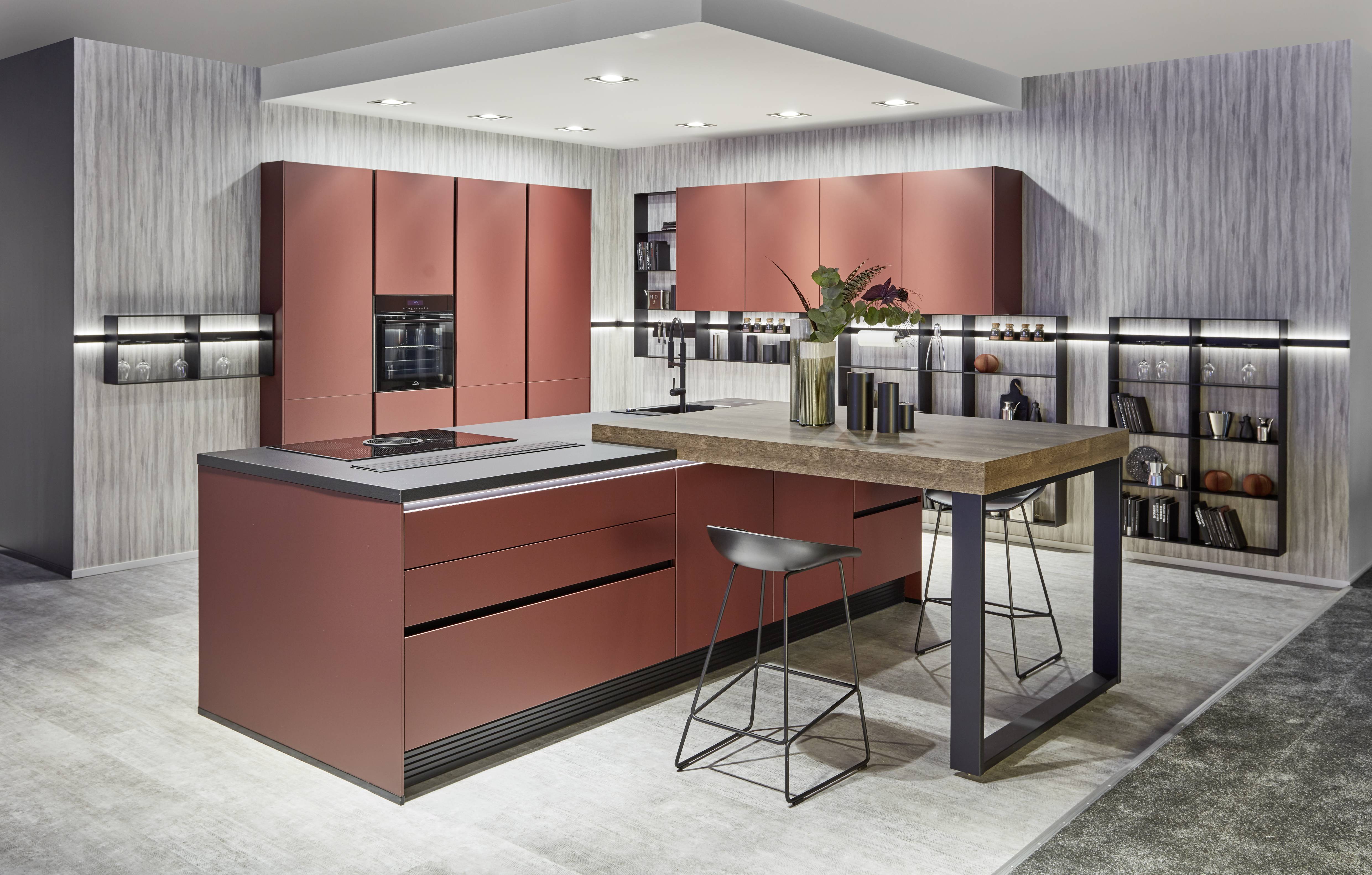
Step 4: Seating that feels comfortable, not squeezed
Seating is where many islands fail. The island might look great, but the seats block walkways or feel too tight to use.
Seating tips that help:
- Keep seating on the side with the least workflow activity
- Make sure stools can slide in without blocking key paths
- Plan a comfortable overhang so legs are not pressed against cabinet fronts
A simple sign seating is too tight: If someone has to move a stool every time someone walks past, the layout needs adjustment.
Step 5: Do you need a sink or cooktop on the island?
Adding a sink or cooktop can work well, but it changes how the island functions.
Island sink considerations:
- You need a place for a drying rack or dishes
- Cleanup activity becomes more visible, especially in open-plan homes
- You should still have a clear prep surface nearby
Island cooktop considerations:
- You need safe landing space on both sides
- Ventilation becomes a priority
- Cooking on the island can increase traffic conflicts during gatherings
If your goal is a calm, uncluttered kitchen, many homeowners prefer keeping the island as a prep and gathering zone, with cooking and cleanup on the perimeter.
To learn more about how noblessa USA approaches layout planning and cabinetry design, start here: https://noblessa-usa.com/about/
Step 6: Storage planning for islands
The best islands do not just add surface area. They add storage that matches your daily routine.
Smart island storage ideas:
- Drawers for prep tools and daily utensils
- Storage for small appliances you use often
- A dedicated zone for serving pieces if you entertain
A simple rule: Store items in the island only if they relate to what you do at the island.
FAQ
What is the best width for a kitchen island?
It depends on whether you want seating. Islands with seating need more depth than prep-only islands. The best width is the one that allows seating without crushing walkways.
How many seats can a kitchen island fit?
It depends on the length and how much personal space you want per person. If you want comfortable seating, plan for breathing room instead of squeezing in an extra stool.
Is an island always better than a peninsula?
Not always. In tighter kitchens, a peninsula can provide the same function with better flow and less wasted space.
Want help planning an island that fits your kitchen and your lifestyle? Get a free consultation or ask any questions here: https://noblessa-usa.com/contact/